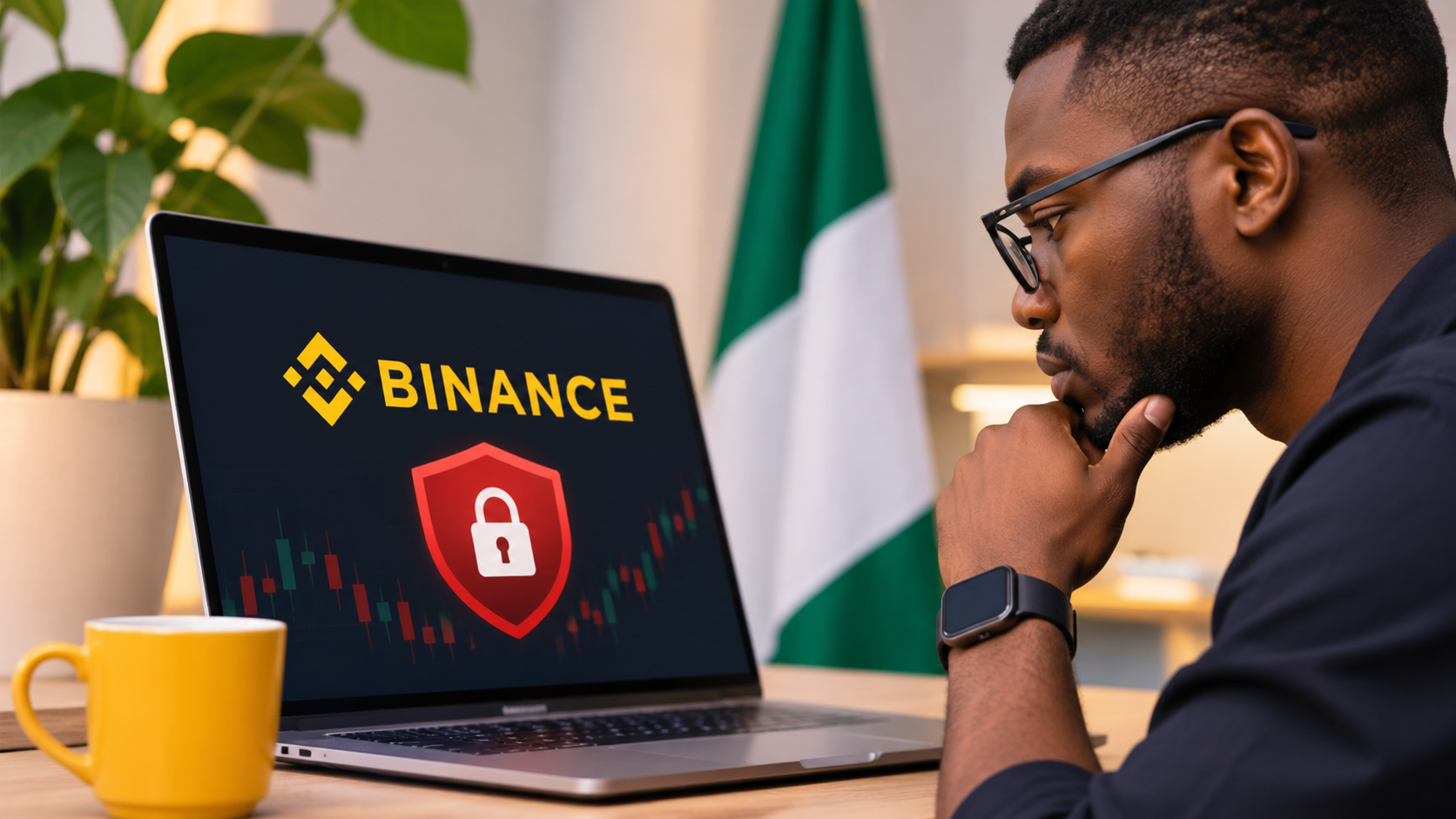
In late October 2026, hackers took about $6.3 billion from Binance in roughly 20 minutes. The FBI later said the attack was carried out by a North Korean hacking group linked to previous crypto thefts. Binance said it would cover the losses from its Secure Asset Fund for Users (SAFU) and company funds so ordinary customers would not lose what they held on the platform, and it gradually restored withdrawals.
For many Nigerians this was not distant news. A lot of people here use crypto, especially stablecoins like USDT, as a practical way to protect money when the naira loses value or to send money across borders more easily.
The incident is a clear reminder that keeping large amounts of crypto on any one platform carries real risk, and that everyday users can take simple steps to reduce that risk.
This is why this essay seeks to analyse some of the ways Nigerians can protect their money on these platforms and even beyond.
How Binance Actually Works
Binance is a regular online exchange, the kind most people mean when they say “crypto app.” When you deposit money or coins there, you are literally giving the company control of your money.
The app shows you a balance, but the company is the one holding the actual coins in its own wallets. It then matches people who want to buy with people who want to sell, and it handles withdrawals from its systems.
This setup is convenient because you can trade quickly and you do not have to manage technical details yourself. However, the disadvantage is that your ability to get your money out depends on the company staying secure and operational.
In the October attack, the hackers got into the company’s systems and drained money from the wallets it keeps online for fast withdrawals. That is why large platforms are attractive targets: they hold a lot of people’s money in one place.

The Difference Between Platforms That Hold Your Money and Ones That Don’t
There are two main ways people trade crypto. On platforms like Binance (sometimes called centralized exchanges), the company holds your coins for you. You log in, see your balance, and the company handles everything behind the scenes. It is easy, but if the company is hacked, freezes withdrawals, or runs into trouble, your access depends on them.
On the other type of platform (often called decentralized exchanges), you keep the coins in your own wallet the whole time. You connect your wallet, do the trade, and the coins never leave your control. There is no single company holding everyone’s money, so one big hack of the platform cannot empty every user’s account the same way.
The trade-off in decentralized exchange is that you become responsible for your own security. If you lose your recovery phrase, approve a bad transaction, or fall for a fake website, there is usually no customer service that can reverse it.
For most Nigerians who mainly buy USDT to hold or send, the easier platforms are still the most practical for everyday use. For money you plan to keep for a longer time and do not need to trade often, moving it into a wallet you control yourself removes the risk that one company’s problem becomes your loss. Neither option is completely safe; they simply carry different risks.
Why Crypto Matters So Much to Nigerians
Nigeria is one of the most active crypto markets in the world for ordinary people. Recent reports put the country third globally in grassroots adoption. It ranks first for people trading with each other inside the country and first for money moving across borders using crypto.
In the year covered by the latest data, Nigeria saw roughly $38 billion in crypto activity. Many of these users are not big investors. They are students, freelancers, small-business owners, and salary earners who hold stablecoins because the naira has been weak, or who use crypto to receive money from family abroad or pay suppliers overseas without the usual delays and high charges.
Bitcoin is also common in smaller transfers. Because crypto has become a practical tool for so many people dealing with everyday financial challenges, a major problem at a popular platform feels close to home.
What the Rules in Nigeria Look Like Now
Nigeria has been tightening and clarifying its rules around crypto. A 2025 law brought digital assets under the securities framework, giving the Securities and Exchange Commission a clear role.
In July 2026, the government created a coordinating council led by the Central Bank of Nigeria to bring the different regulators together. Platforms that want to operate properly now need to register and meet higher capital requirements.
Banks can work with licensed providers, but earlier restrictions still affect how easily people move between naira and crypto.
These steps are meant to reduce scams and other problems, and local platforms have been growing as a result. Rules help, but they do not replace the need for people to protect their own accounts and wallets.
Sources: Investments and Securities Act 2025 | Presidential Executive Order on Virtual Assets Coordination, 2026
Simple, Practical Steps You Can Take
The most useful habits are straightforward and do not require deep technical knowledge.
- Do not leave large amounts sitting on any exchange if you are not actively trading them. Move money you want to keep longer-term into a wallet you control. A hardware wallet is the safest for bigger amounts; a good mobile wallet is fine for smaller ones. Write your recovery phrase on paper and keep it somewhere private and offline. Never save it in your phone, email, or cloud.
- Turn on two-factor authentication for every account and prefer an authenticator app rather than text messages. Where the platform allows it, turn on withdrawal address whitelisting so money can only go to addresses you have already approved. Use a strong, unique password.
- Treat unexpected messages with caution. Do not click links in emails, WhatsApp, Telegram, or SMS that claim to be from Binance or any exchange. Open the official app or website yourself. Be careful of anyone offering to “help” you cash out or asking for your recovery phrase or for you to approve a transaction you do not fully understand. Fake websites become especially common when platforms face restrictions.
- Do not put everything in one place. Keep only what you need for trading or peer-to-peer deals on the platform. Move the rest to your own wallet. Stick to official apps and websites, and prefer platforms that are transparent about their reserves or that are properly registered in Nigeria when possible.
- Keep your phone and computer updated. Avoid downloading random apps or clicking ads that promise easy profits from crypto.
These steps will not make losses impossible, but they greatly reduce the chance that one platform’s problem, a phishing message, or a lost phone wipes out what you have saved. In a country where so many people already use crypto to manage real-life money challenges, taking a little extra care with how and where you keep it can make a meaningful difference.
Sources
FBI Blames North Korea for $6B Binance Hack – Decrypt
The largest theft in history: North Korea behind the $6.4 billion Binance hack – Elliptic
Nigeria Takes Third Place in Chainalysis’ 2026 Crypto Adoption Index
Nigeria’s Investments and Securities Act 2025 and Digital Assets
Presidential Executive Order boosts virtual assets regulation in Nigeria – Businessday