Water is one of the strongest elements in the world – if not the strongest there is. It is neutral by default, but could be our humble servant (when it obeys our command and do our bidding) or become the wicked master when we stand on its way and allow it to be blown out of proportion (as nature never breaks its own laws). In the following paragraphs, we will talk about the tragedy of the Mokwa flood.
The Mokwa Flood
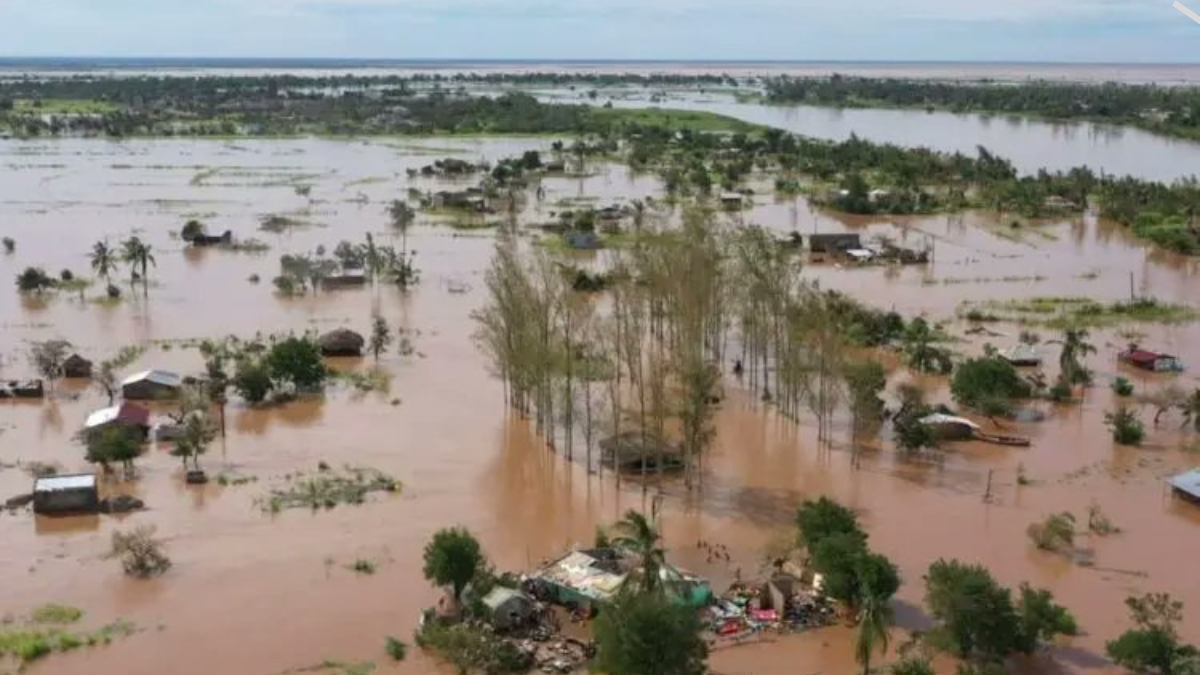
On the 29th of May 2025, some parts of Mokwa Local Government Area of Niger State was struck with one of the most devastating flood incident after a torrential rainfall that lasted many hours. The deluge caused a serious havoc and destruction of property and loss of more than 200 lives. It was a dark day not only in Niger State but for Nigeria and humanity at large. Homes and communities at large were submerged.
Timing is everything. Unfortunately, in the case of the Mokwa flood disaster, there was only time for reaction in the aftermath of the flood disaster. Time for prior action was either misplaced, replaced or displaced with reactionary time. And time, unlike water, is never neutral. It is either a passionate friend or an arch-enemy. Wasting it in lethargic inertia usually comes with consequences.

Damages Caused by the Flood
Approximately 209 lives were lost after the Mokwa flood calamity occurred with over 120 people injured and many missing for days. The homes destroyed by the flood were up to 2,000 in number. Over 180 hectares of farmland were destroyed and more than 3,500 people were left displaced.
Prior alert
It was reported that the Nigeria Hydrological Services Agency (NIHSA) made a forecast of Mokwa’s high flood risk for some months prior to the tragedy. But what measures were taken to use this information to prevent the flood from happening? Were the people in those communities alerted about it? What proactive measures were taken by the Niger State Government to have prevented the flood from happening? Or should the blame be shifted to those victims dead or displaced for living in those areas annihilated by the deluge?
At this juncture, it is needless to shift blames at point. What is important is doing everything necessary to avert loss of lives in the future by putting preemptive measures in place through proactive actions.
Donations for the damages done
As usual, the money donations flooded in billions of Naira after the damage had been done.
The federal government delegates headed by Vice President Kashim Shettima donated ₦2billion ordered by the President for the reconstruction of Mokwa town.
The Governor of Niger State, Umar Mohammed Bago later donated ₦1billion to the victims of the flood disaster in Mokwa communities affected to cushion the effect of the tragedy on the victims.
In the recent flag off by the Governor of Niger State for the distribution of palliatives and compensation for the Mokwa flood victims, 458 households are due to receive ₦1million each and ₦500,000 to compensate for houses and shops damaged by the flood.
This begs the question: What is the value placed on human lives? A billion? Or two? Three? A million per head?
As significant and necessary as these intervention funds may be to rebuild what has been lost, it is only helpful only on those that are still breathing – the victims that survived. The dead from the disaster have no benefits with millions or billions of donations any less than the funds could help them back to life which is an impossibility; save for their next of kin who set to receive a million Naira each.
And once again, the vicious circle of repeated head-count of human lives lost in flood catastrophe with monetary compensation per-head continues; it is alarmingly becoming normalized to react only after the damage is done.
Just like proper policy implementation has been a bottle-neck to actualization of development plans, one cannot help but wonder why detected areas prone to flood in the future cannot be followed up with enforcement of pragmatic solutions.
Enforcement in terms of the government placing structural restrictions on building or erection of any structure like habitation homes or shops around areas within the axis of flood perimeters. Relocation of those already living in new detected areas to other places could also go a long way, or better still, due compensation to be paid to them. Sometimes, these laws have to be enforced for those residents who are reluctant to leave due to their emotional attachment to their homeland and areas of settlements.
Accountability
With all the pool of funds and donations received to support the victims of the Mokwa flood disaster, there ought to be a mechanism of accountability and transparency in place to ensure that they are used and utilized for the purpose of which they were donated for. This is imperative as the figures running into multi- billions so far from the federal government, state government, NGO’s, businessmen, politicians and philanthropists can be left without proper monitoring to avert cases of diversion of funds for other purposes.
The office of the Accountant General of the Federation reported to have earmarked about ₦128.7 billion in ecological funds in the past two years to states in Nigeria. If that is the case, then it is only rational to question why flood is still wrecking a havoc in many states in Nigeria. One begins to question what structure have been put in place as deterrent measures against flood prone areas or relocation plans to other settlement.
Narrowing it down to Mokwa again, kudos to the Governor of Niger State for having secured the $10 million (more than ₦15 billion) from World Bank to assist in combating the gully erosion in some parts of Mokwa Local Government Area.
Nevertheless, the people of Mokwa community, Nigerlites and all stakeholders and concerned citizens who are advocates of good governance and transparency will be be monitoring the progress of the way, manner and projects the funds are expended on to ensure maximum utilization the grant.
The unsung hero: Aspire Alliance for Niger State Youths (AANY)
A non-governmental organization (NGO) called Aspire Alliance for Niger State Youths (ANNY) which a is health, educational and entrepreneurial focused organization must be given due credit for their swift and timely reaction. It is powdered and driven group of energetic and selfless volunteers who came up with a fundraiser generated within the shortest time frame that helped mitigate the effect of the Mokwa flood disaster on the victims.
AANY’s response was that direct to the grassroots without any intermediaries, middlemen or committees in disbursing and distributing the pool of donations and material resources it was able to raise from the public like clothing, food items, domestic home needs amongst many other materials. The smiles and happiness was palpable on the faces of the beneficiaries.
Would that the government and other concerned agencies involved in the distribution of palliatives to the flood victims will take a cue from this approach and allocate resources with equity, fairness and transparency in the present times and for posterity purpose.