For many people living with dwarfism in Nigeria, being stared at is a daily experience, not because they’ve done anything wrong, but simply because of the way they were born.
Dwarfs have always existed among us, yet many still see them through myths and misunderstandings. In some homes, people are told that laughing at a dwarf means you’ll give birth to one. Others believe dwarfism is a curse or a sign of punishment from the unseen.
These beliefs continue to shape how society treats them with suspicion, distance, or mockery.
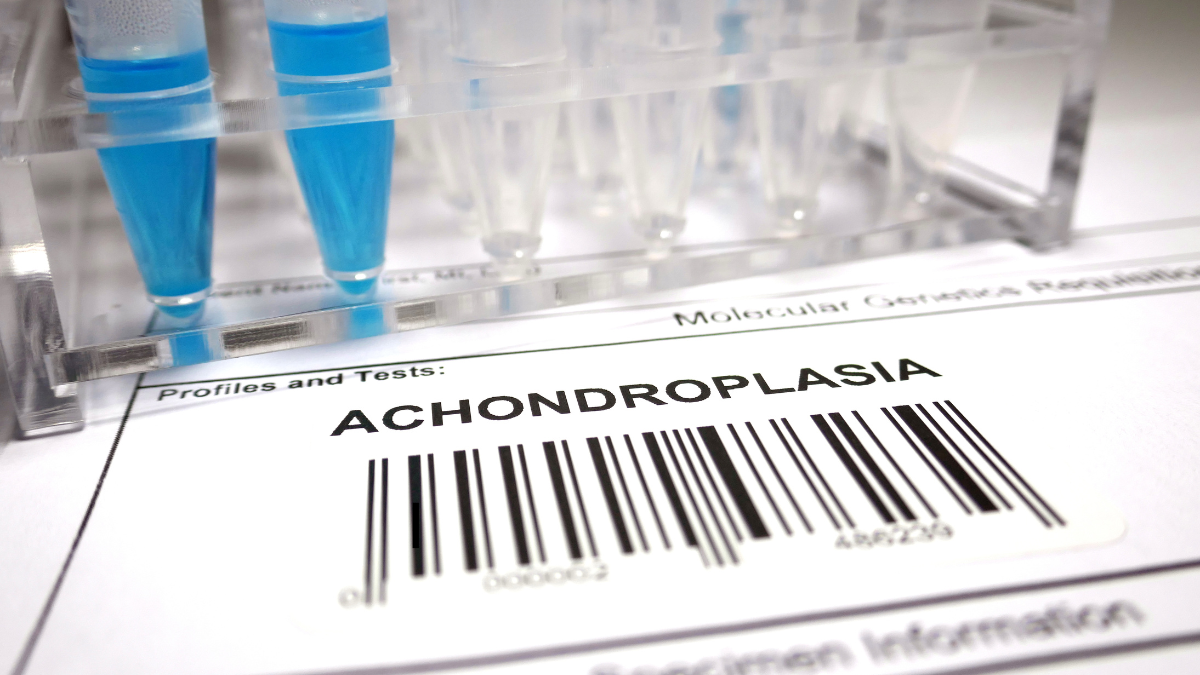
But dwarfism is not a mystery. Medically, dwarfism is often caused by a genetic condition, such as achondroplasia, that affects bone growth. It is not a curse, not contagious, and certainly not something to fear. It is globally stated that about 1 in every 25,000 people is born with dwarfism.
Unfortunately, these facts are often buried beneath layers of cultural stigma. We see dwarfs turned into comic relief in movies or treated as props in entertainment, rather than full human beings. Even in real life, the mockery doesn’t stop.
A recent example is a dwarf man and his tall wife, both content creators, who faced harsh online comments after having a baby. One user even compared their daughter to the viral doll, Labubu. This caused the couple deep pain and led them to speak out. These experiences remind us how much misinformation still exists, and how deeply it hurts.
When people don’t understand something, they often fear or mock it. It becomes necessary to explore dwarfism from a medical, social, and cultural lens, clearing those common misconceptions and highlighting real struggles. It is necessary to remind our society that people with dwarfism deserve dignity, empathy, and the chance to be seen for who they truly are.
Understanding the Medical Reality of Dwarfism
To truly shift the way society sees dwarfism, we must begin with the truth.
Dwarfism is a medical condition that affects bone growth, resulting in short stature. A person is typically considered to have dwarfism if their adult height is 4 feet 10 inches (about 147 cm) or less. But it’s important to remember that dwarfism does not affect intelligence or emotional capacity. Rather,it affects growth, not the heart or the mind.
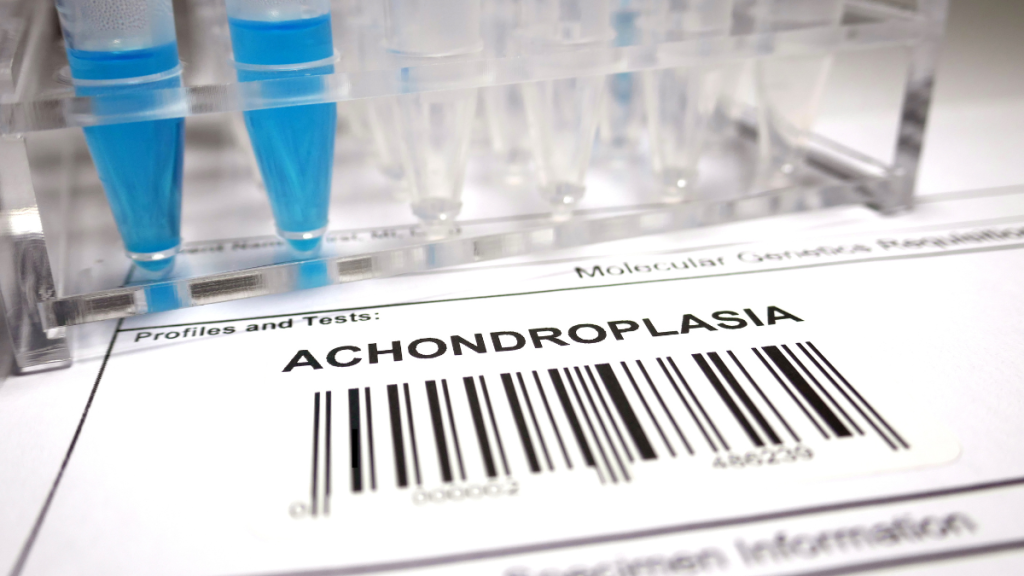
There are over 300 different conditions that can cause dwarfism, but the most common type is achondroplasia. Which is a genetic disorder that affects how the bones form, especially in the arms and legs. Other causes of dwarfism include hormonal imbalances, particularly involving growth hormone, and genetic mutations that happen without warning.
Contrary to what many believe, dwarfism is not caused by poverty, hardship, or punishment. It is purely biological. Dwarfism happens due to how genes are passed down and expressed, not because of any wrongdoing or spiritual force.
In fact, two average-height parents who have no family history of dwarfism can have a child with dwarfism. The reverse is also possible: two parents with dwarfism can give birth to a child of average height. These children grow up like others,with dreams, laughter, and potential. What holds them back most times is not their height, but the way the world sees them.
By replacing superstition with science, and fear with understanding, we open up space for more compassion and inclusion.
Struggles of Dwarfs in Nigeria
When it comes to love and relationships, dwarfs are often overlooked.
Whether offline, online, or through matchmaking, they rarely stand a chance. Many believe dwarfs should marry only other dwarfs—to keep the “burden” of dwarfism within their bloodline, rather than passing it on to future generations.
There’s a fear that marrying a dwarf could bring ridicule or guilt, especially if children inherit the condition, just like the online couple who were told by strangers to avoid using the dwarf parent’s sperm, just to “protect” their children from stigma. This mindset turns love into something people feel they must justify.:
Within families, dwarf children often feel left out, especially when they have taller siblings. The taller ones are usually given more freedom, attention, and chances in life, while dwarfs are either pitied or overly protected. Parents, though trying to help, sometimes treat them more like fragile children than equal members of the family. This difference, even when subtle, can make them feel like a burden, rather than someone fully loved and included.
In schools, many dwarf children face teasing and bullying from classmates who don’t understand or respect their differences. They are often left out, laughed at, or made to feel odd. Over time, this affects their confidence and happiness, making it harder for them to enjoy learning or feel safe in class. It’s not their height that holds them back, but how others make them feel because of it.
In the workplace, dwarfs are rarely seen in customer-facing roles. It’s difficult to find a dwarf working as a waitress, receptionist, or air hostess. Employers often place them in back offices or behind-the-scenes positions, believing that their presence might make customers “uncomfortable.” Even when qualified, many are overlooked, not because of their ability, but because of how others might react to them. This silent discrimination creates an unspoken barrier between them and equal opportunity.
At social gatherings like weddings, naming ceremonies, or even neighborhood events—dwarfs often feel like strangers. Their presence draws too much attention, and not always the kind that’s kind. Some avoid attending entirely, while others attend quietly, knowing that people might whisper or stare. Parents sometimes even pull their children away from them, afraid of bad luck or spiritual punishNigeria
This fear, deeply rooted in myths and religious warnings, has made dwarfs both avoided and, oddly, protected. Some are told not to mock them or they might be cursed, or worse,give birth to a dwarf themselves. While this fear might stop open bullying, it still places dwarfs in a lonely space where they are not fully accepted.
Better Ways to Treat Dwarfs
Everyone deserves the freedom to love without being shamed for it. But for dwarfs, forming relationships, whether offline, online, or through matchmaking, is often met with judgment.
Society tends to believe dwarfs should only marry dwarfs, keeping the so-called “burden” within their own bloodlines. But love should be a personal choice, not a punishment or a genetic calculation. People who choose to love or marry a dwarf shouldn’t be made to feel irresponsible,they should be supported like anyone else.
When dwarfs are given real chances in work and entertainment, they flourish. Peter Dinklage, an actor and a dwarf cast in the series ‘Game of thrones’, was given a role that depicts the realities of dwarfism. His efforts in the movie earned him respect and gained the empathy of viewers. His success showed the world that a dwarf can carry a serious role with power and dignity, not as a joke or sidekick, but as a lead.
In Nigeria, actors like Ishow Larry and comedians like MC Ajele have also earned visibility and respect, reminding us that dwarfism doesn’t shrink ambition or talent. What limits them is not their size, but society’s refusal to look past it.
Some dwarfs are creating spaces for their stories to be heard. The same Nigerian dwarf whose daughter was compared to the labubu doll, shaped by his years of misunderstanding and mockery, launched an online show that gives voice to people like him. His platform invites other dwarfs to share their challenges, giving dignity to experiences that are too often ignored. Initiatives like this, along with stronger government policies and community support, are vital for protection and inclusion.
Kindness should never be conditional. You may never love a dwarf, but you’ll meet one at a naming ceremony, in a restaurant, at school, in a hospital. A little empathy goes a long way. Schools and workplaces must do better at stopping bullying and creating safe spaces where dwarfs aren’t isolated or mocked, but treated as full human beings with dreams and dignity.
In families with both tall and dwarf children, fairness matters. Dwarfs shouldn’t be hidden, overly pitied, or treated like fragile ornaments. They don’t need to be protected from the world as much as they need to be prepared for it, encouraged, believed in, and treated like any other child..
Conclusion
The daily barriers faced by dwarfs, from dating and dignity to education, work, and family, are not as a result of their condition but our reaction towards it.
If society can shift its gaze from spectacle to solidarity, and from mockery to respect, then perhaps dwarfs can stop fighting to prove their humanity and simply live it like everyone else.