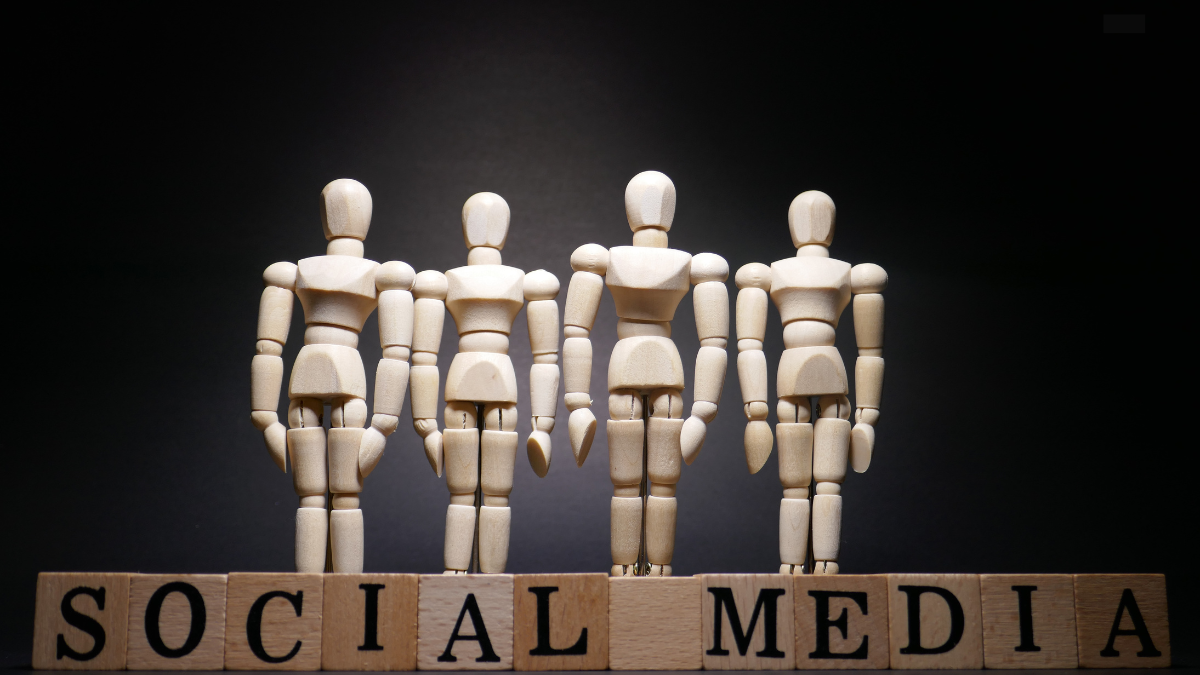
Before social media, Nigerians mostly connected in physical spaces such as neighbourhoods, markets, family gatherings, and religious events. Then came mobile phones, the internet, and eventually social media, which reshaped these traditions and created new ways to communicate, build influence, and even earn a living.
Emergence and Rise of Social Media
Facebook, launched globally in 2004, became popular in Nigeria around 2009–2010 as a way ttwith old friends, join interest groups, and share personal updates. YouTube, introduced in 2005, began gaining traction in the early 2010s with music videos,
comedy skits, and tutorials.
Twitter, launched in 2006, entered the Nigerian mainstream between 2010 and 2013, quickly becoming a hub for news, trending debates, and political conversations.
Instagram, introduced in 2010, grew in Nigeria by 2014 to 2015, drawing users with fashion, lifestyle, and visual storytelling.
TikTok, which debuted globally in 2016, exploded locally during the 2019 COVID-19 lockdown with short, entertaining videos and viral challenges.
Evolution of Content Creation and Monetization
The birth of social media, combined with affordable smartphones and cheaper internet in the 2010s, triggered an explosion of user-generated content. Skitmakers and influencers attracted huge engagement, which drew in brands and advertisers.
In response, platforms introduced monetisation options such as ad revenue sharing, paid subscriptions, live gifts, and brand partnerships, all designed to keep creators consistent and loyal.
YouTube was the first to monetise in Nigeria with its Partner Program in 2011. Twitter followed in July 2023 with ad revenue sharing for verified creators. Facebook and Instagram joined in June 2024, while TikTok’s Creator Fund remains unavailable in Nigeria, leaving brand deals and live gifts as its main income sources.
In the early days, Nigerian online content was dominated by comedy. Mark Angel Comedy, which emerged in the early 2010s, built a massive YouTube audience with short, relatable skits and became one of the first to earn from ads. Craze Clown rose in the mid-to-late 2010s, starting on Instagram before expanding to YouTube. Taaooma began in 2015 on Instagram, later moving to YouTube, and broke through in 2019 during the height of the monetisation era.
Back then, content often spread through Bluetooth and BlackBerry Messenger long before fast internet became common.
As internet access improved, creators began reaching larger audiences and experimenting beyond scripted comedy. Influenced by reality TV shows like Keeping Up With the Kardashians, they started sharing lifestyle content: curated daily routines, behind-the-scenes moments, and snippets of personal life. This closer exposure also gave audiences a sense of entitlement.
Followers did not just engage with the content; they began commenting on creators’ personal choices, expecting them to live up to certain standards. This constant pressure to perform and please, often beyond creative work, is what has now become known as social media puppeteering.
In many ways, social media puppeteering mirrors Nigeria’s long-standing culture of communal scrutiny, only now it is amplified by the speed, reach, and permanence of digital platforms.
Instances of Social Media Puppeteering in Nigeria
Social media puppeteering shows up clearly in the experiences of several Nigerian content creators. Take MC Mbakara, for instance. After a fan criticised his wife for dressing “indecently” in a photo, he responded with a series of posts insisting she must be fully covered at all times, even at the gym or bathroom. His frustration reveals how exhausting it is to have personal choices
dictated by online followers.
Another example is Olivia, a popular creator of the “Hair Tutorials and Lifestyle” page. After fans repeatedly claimed she had poor fashion sense, she began allowing them to choose her outfits. This shows how some creators feel pressured to surrender their individuality just to keep their audience satisfied.
Then there is Vivian, popularly known as “Mrs Nkubi,” who wore a sexy gown and heels solely because fans said she was not dressing attractively enough at home. This is a clear case where external opinions dictate private lifestyle choices. These are not isolated incidents. Many creators silently endure this control, adapting their behaviour and content to meet the demands of their followers. While some of these reactions may be coping mechanisms, beneath the surface most feel unhappy and trapped.
Social media puppeteering places heavy emotional strain on creators, pushing them to perform and even pretend just to keep their followers happy, at the cost of their peace of mind.
Causes of Social Media Puppeteering
The first and most obvious cause is simply being a content creator. In Nigeria, there is a common belief that anyone bold enough to put their life online is automatically inviting criticism.
This belief is so entrenched that when creators complain about being controlled or judged, comment sections often respond with, “Well, you put it out there.” The problem deepens when creators share aspects of their personal lives. Regardless of their main niche, once they post about home life, family, or relationships, they step into the territory of lifestyle content. Oversharing invites accusations of being “too exposed,” while undersharing sparks claims of hiding something or being inauthentic.
Another factor is a lack of a distinctive voice. When content feels generic, audiences may feel entitled to dictate what should be posted and how it should look. Similarly, creators without a clear niche can attract unintended audiences who misinterpret their work yet still criticise it loudly.
Finally, financial dependence plays a major role. Creators who rely heavily on platforms, sponsors, or brand deals often limit their own freedom to avoid upsetting their audience or algorithms. This fear of losing engagement makes some hesitant to defend themselves, which in turn emboldens audiences to exert even more control.
Impact of Social Media Puppeteering
For content creators, puppeteering often leads to a loss of authenticity. Instead of creating from a place of inspiration, they adjust their work to match audience expectations. This can drain their passion, make content repetitive, and eventually push them into burnout. The constant criticism also harms mental health, with many experiencing stress, anxiety, or depression. Some
even resort to provocative content just to boost engagement, trapping themselves in a cycle of backlash and conflict.
In society, puppeteering feeds Nigeria’s offline culture of poking into others’ private lives. People feel entitled to comment on marriages, pregnancies, and family matters, often driven by jealousy or a need to feel superior. With online culture lacking discipline and expecting drama, creators feel pressured to post attention-grabbing content, fuelling more criticism and keeping the cycle alive. This erodes empathy and respect for privacy, making harassment and public shaming more common.
It also harms the perpetrators themselves. Those constantly judging others can develop emotional fatigue, lower self-esteem, and a distorted sense of reality, focusing on the lives of others while ignoring their own growth. As the saying goes, “A mistake is a platform from which one climbs to view another,” leaving society stuck in judgment rather than progress.
Conclusion
Social media puppeteering has reshaped how Nigerians interact online, turning casual engagement into control disguised as feedback. It strips creators of their authenticity, traps them in cycles of pressure and performance, and feeds a wider culture of judgment and intrusion.
For followers, it offers distraction at the expense of personal growth, while society at large grows more toxic and less empathetic.
To change this, creators must protect their originality, set boundaries, and resist shaping their work purely to please or provoke.
Society, in turn, must replace entitlement with empathy, offering feedback that builds rather than breaks.
If we shift from control to connection, the online world can once again be a space where creativity flourishes and individuality is valued.