Are you wondering what it means for an art form to have a gender? Gender classifications appear in many parts of life, our culture, mannerisms, and even our professions. Think about the subtle or bold colours and patterns of our clothes, to the grace and stamina with which we move. Gender has historically shaped our lifestyle and expectations. In the succeeding paragraphs, we will talk about the gender association of resin art.
Historically, men hunted, built, and protected, while women worked at home, in communities, or in decorative crafts. Today, many men and women still operate within these boundaries. These divisions spill over into arts and crafts, influencing what each gender pursues for passion or income. Women are often expected to handle delicate, aesthetic arts, while men focus on heavier, technical, or practical ones. Men are judged for strength and integrity, while women face scrutiny for words, appearance, and behavior. This reflects a belief that men are protectors and women are creators of beauty. Arts or occupations that cross these boundaries often face cultural criticism.
But art is meant to be self-expression. Does it make sense to restrict creativity based on gender? In Nigeria, crafts like tie-and-dye, raffia weaving, and beadwork are mostly done by women, while pottery, sculpture, wood carving, and furniture making are mostly male-dominated. These divisions aim to preserve quality, cultural knowledge, and heritage.
Times are changing. Modern opportunities allow artists to monetize their work, gain recognition online, and build followings through social media. Creations can reach thousands, even millions, of people. The economy and evolving talent recognition have pushed youths to ask: should art really be confined by gender? Baking and cake decoration, once considered “female” crafts, now have prominent male bakers thriving in Nigeria and globally.
Resin art is a perfect example of an emerging craft. Modern, imaginative, and full of cultural and economic potential, it is beginning to show gender trends. Women dominate the craft, creating soft, beautiful pieces aligned with traditional feminine roles. Men often shy away, leaving certain bold, functional, or heavier designs unexplored. Yet resin art can offer freedom, cultural preservation, and business opportunities for everyone.
About Resin Art
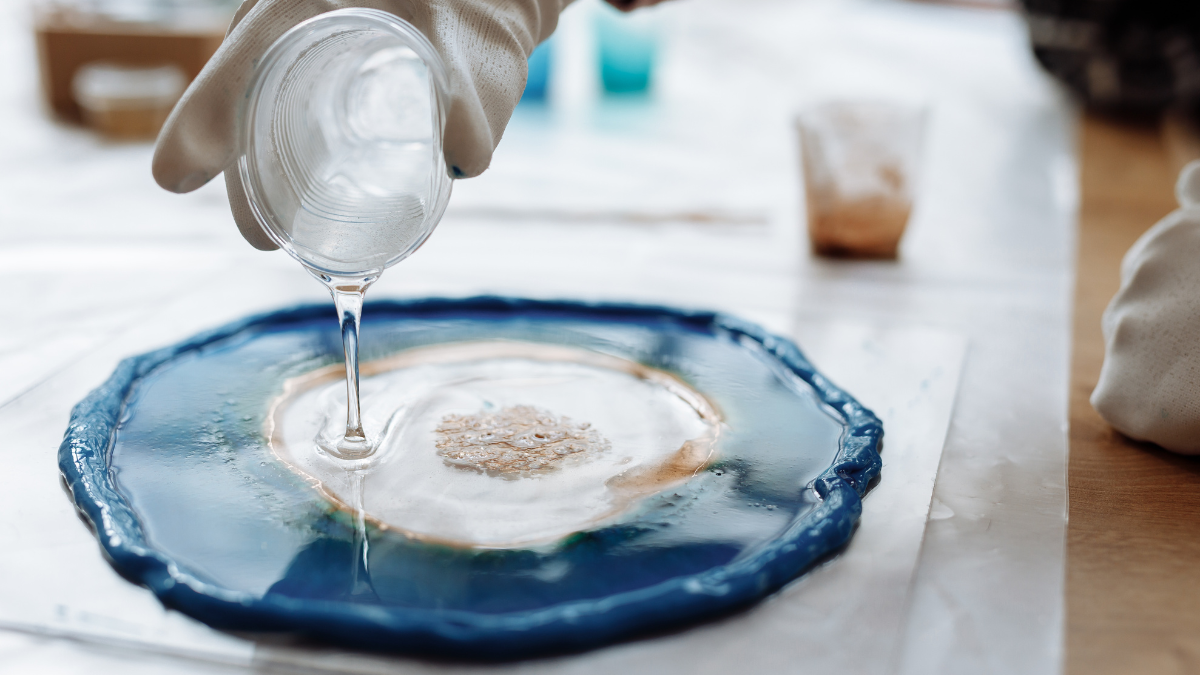
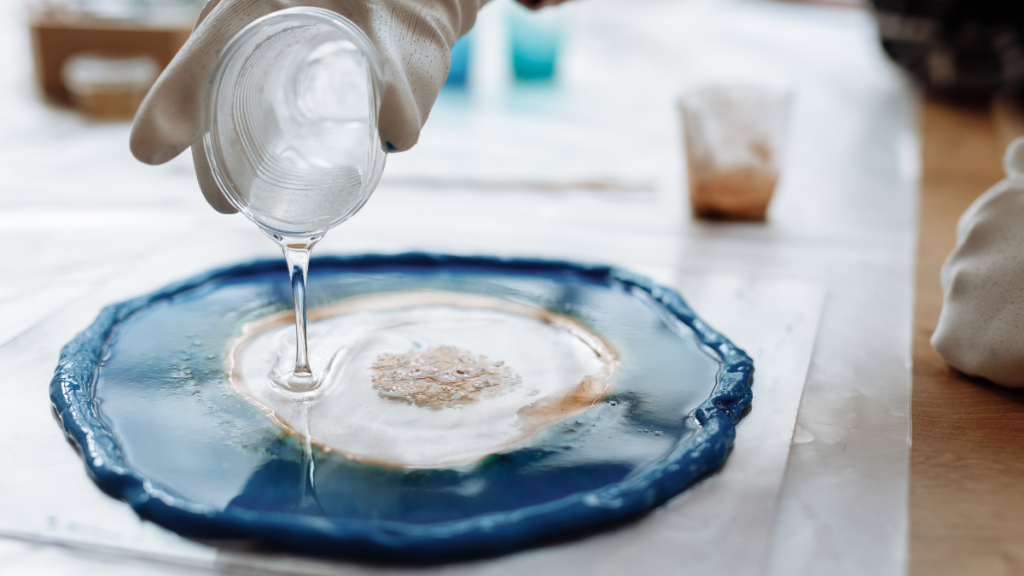
Resin art uses liquid resin, hardeners, and colours to create shiny, durable, and visually appealing pieces. When poured, the mixture flows like water; after a few hours, it solidifies into a smooth, glass-like finish. This flexibility allows artists to craft jewellery, home décor, accessories, trays, clocks, and tabletops.
Many Nigerians who are not practicing resin art don’t realize the freedom it offers. Artists like Teemah and Oluwatosin express themselves through colours, layers, shapes, and small objects embedded in their work. Shops like HOG furniture feature larger resin items like tabletops. Others create flowing patterns with flowers, beads, or gold flakes, reminiscent of sewing, baking, beadwork, or hairstyling. Resin art accommodates all styles without judgment.
The craft also has strong business potential. Handmade resin items are seen as clean, classy, and custom-made. Functional creators produce trays, key holders, lamps, or office décor, while detail-oriented artists craft earrings, pendants, bookmarks, or ornaments. Different styles attract different buyers, giving everyone a chance to earn from their passion.
Resin art supports cultural preservation. Even though it is modern, you can embed objects that blend beautifully with Nigerian identity. Artists use Ankara fabric, cowries, beads, raffia, local pigments, or cultural symbols. Some replicate structured lines like woodcarving or metalwork, while others favor flowing patterns resembling fabric designs, bridal accessories, or ceremonial ornaments. Resin preserves tradition in a fresh, contemporary form.
Practicing resin art requires the right materials: resin, hardener, pigments, moulds, and safety equipment. Large moulds create functional items, while smaller ones suit jewellery or tiny décor. People who enjoy building or making practical items often select larger projects, while those focused on beauty, colour, and detail prefer smaller pieces.
Overall, resin art promotes creativity, culture, and opportunity. It allows Nigerians to explore their style, express themselves, preserve identity, and even generate income. Anyone, regardless of strength, skill, or natural style, can find a comfortable place in this craft.
Effects of Gendered Perception of Art
In Nigeria, art has traditionally been divided along gender roles. Women are associated with delicate crafts like tie-and-dye, beadwork, and raffia weaving, while men dominate pottery, wood carving, sculpture, and furniture making. These divisions shape creativity and influence which skills are passed down. While they offer some benefits, they also create challenges for artists who want to explore, innovate, or earn from their talents.
The positive effects of gendered perception include cultural and social benefits. Women specializing in tie-and-dye or traditional weaving ensure that these skills persist across generations. For example, Akwete weaving is still largely led by women, preserving a rich craft. Community programs like the Maryam Babangida National Centre’s training for female artisans help women gain skills in crafts previously dominated by men. Specialization encourages mastery, improving quality, and producing highly skilled artisans. Economic recognition also grows when buyers associate certain crafts with expertise; beadwork by women or wood carving by men stand out in local and international markets.
However, the negative effects are significant. Limiting crafts to one gender reduces economic opportunity. A woman interested in carpentry may avoid the field—yet Hanatu Terry, a female carpenter in Abuja, broke into this male-dominated trade to build benches, chairs, and other furniture. A man skilled in beadwork may shy away due to social pressure. Creativity is reduced when certain techniques remain unexplored, slowing innovation and restricting expression. Self-expression and mental growth are affected, as art can be therapeutic, and preventing someone from practicing their skill limits emotional development. Learn more about mental health and art. Gendered expectations can also push people toward unsuitable careers, causing frustration, missed opportunities, and underachievement. Learn more about the dangers of wrong career choice.
What if Resin Art Were Genderless?
Resin art in Nigeria often reflects gender expectations. Women usually create soft, aesthetic, delicate pieces like jewellery and floral coasters by rising artist Tobi Adeyemi. Men often avoid the craft, leaving bold, functional, or heavier designs unexplored, such as tables, large trays, and furniture by Hanatu Terry. This separation limits participation, style variety, and cultural preservation. While it maintains some traditions, it restricts creativity, innovation, and economic growth.
If resin art were genderless, these challenges could become opportunities. Creativity and self-expression would be open to all, offering emotional relief, personal therapy, and new artistic ideas. Economic opportunities would expand, as anyone could monetize work without judgment—similar to how Efe Adedoyin, a male Nigerian artisan, successfully sells decorative resin pieces online. Cultural preservation would improve because male and female patterns, materials, and techniques—like Ankara patterns, cowries, raffia, and traditional beadwork—could merge in modern resin pieces. Skills once confined to one gender could blend, creating richer, more innovative art.
Genderless resin art could also encourage collaboration while celebrating individual strengths. It could become hospitable to both genders in multiple ways: specialization,collaboration and cross-,pollination. Specialization allows each gender to produce pieces suited to their style or practical needs—women focusing on smaller, delicate items like pendants or ornaments, men on larger, heavier pieces like tables, trays, or desk organizers. Collaboration can split work based on skill: men handle lifting, chiseling, or structural tasks, while women focus on design, patterns, and finishing touches. Cross-pollination from other crafts adds another layer. For example, a man decorating cakes could bring layering techniques to resin, while a woman could incorporate patterns from textiles, beadwork, or tie-and-dye designs. Together, these approaches foster creativity, culture, and innovation, making resin art inclusive and meaningful.
Conclusion
Art labeled by gender reflects cultural expectations, but it can limit creativity, income, and cultural preservation. Resin art shows that opening access allows men and women to contribute unique skills and perspectives, enriching the craft. Freedom in art encourages self-expression, collaboration, and innovation. Individuals should feel empowered to explore, create, and share their art—whether for personal joy, cultural storytelling, or economic growth.