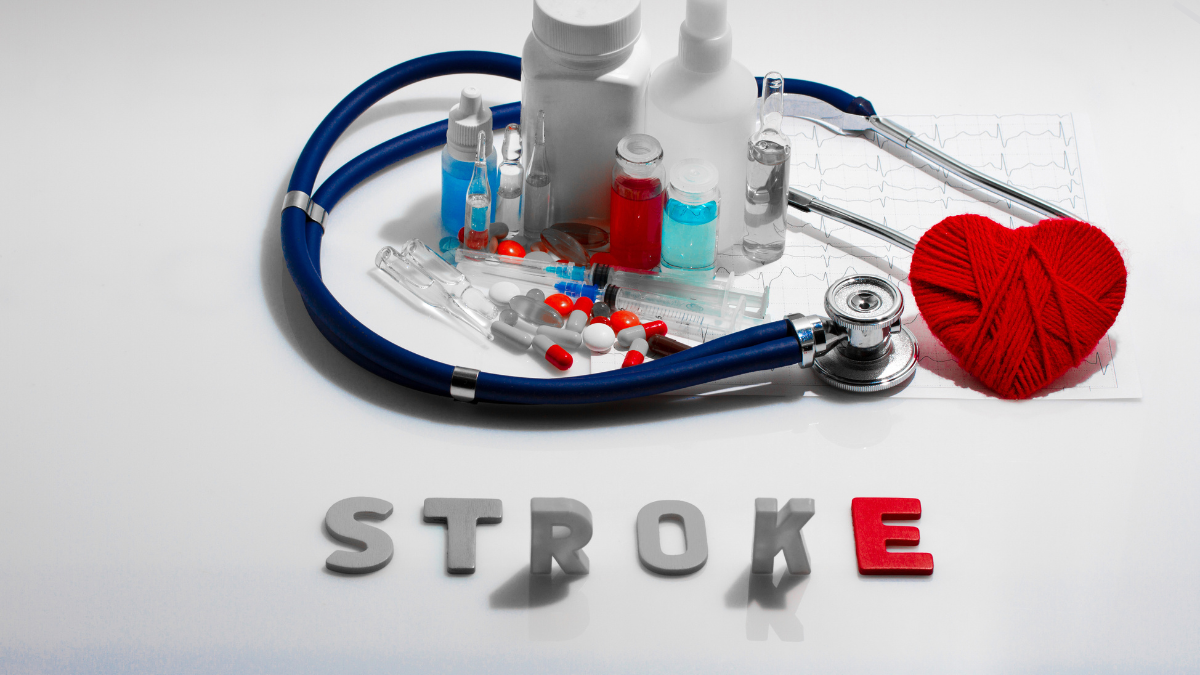
It happens all the time- a person wakes up apparently healthy and goes about their activities only to suddenly collapse or find out they have difficulty speaking or moving their limbs. Strokes are very common, especially in Africa and what makes them even more deadly is that it rarely shows any signs before it strikes. Without urgent care, strokes can result in death or permanent disability.
But what is a stroke and is there any way to prevent it? Read on to find out!
What is a Stroke?
A stroke can be defined as a medical emergency that occurs as a result of interruption or blockage in blood supply to parts of the brain.
Just as the father is the head of the family, so is the brain the head of the whole body, giving directions to different parts. When the finances of the breadwinner are low, many aspects of the home do not run well. Likewise, when the blood supply to the brain is not sufficient or cut short, these parts of the brain start to die and areas they control begin to lose function.
Stroke is a medical emergency, the longer the brain goes without oxygen, which is carried by blood to the brain, the greater the damage.
Types of Stroke
There are two main types of stroke;
- Ischaemic stroke
- Hemorrhagic stroke
Ischaemic stroke:
This occurs when a blood vessel that supplies the brain is blocked. This blockage is usually from a clot or debris (emboli) which can arise from any part of the body and flows through the bloodstream until it blocks a vessel supplying the brain.
Hemorrhagic stroke:
A hemorrhagic stroke occurs when a blood vessel in the brain ruptures, causing bleeding into or around the brain. This bleeding increases pressure on brain tissue, reduces blood supply, and leads to brain cell damage.
WHAT PREDISPOSES ONE TO HAVE A STROKE?
From the types of stroke, it is clear to see that it can occur to anyone and at any point in time. Strokes can be due to so many things that increase the likelihood of vessel damage. They are divided into 2 categories;
- Nonmodifiable factors
These are factors that can’t be controlled and they include;
- Age
The risk of a stroke increases with age, especially from the age of 55.
- Family history
If a family member has had a stroke or a heart condition, it increases the risk of it happening to another member of the family.
- Previous stroke
Persons who have had a stroke in the past are likely to have another episode.
- Race
Studies say that a black man/woman is at an increased risk of coming down with a stroke.
- Modifiable factors
These are factors that can be controlled. They include;
- Hypertension (High Blood Pressure):
This is the most significant risk factor. Chronic high blood pressure weakens artery walls, increasing the risk of rupture. This is why we advise people to monitor their blood pressure regularly.
- Smoking:
Smoking damages blood vessels, increases blood pressure, and contributes to aneurysm formation.
- Excessive Alcohol Consumption:
Can increase blood pressure and interfere with clotting. When injured vessels have clotting issues, bleeding would continue.
- Drug Use (especially cocaine, amphetamines):
Some drugs are strongly associated with sudden spikes in blood pressure and vessel rupture.
- Anticoagulant or Antiplatelet Medications:
Overuse or poor monitoring during drug use can increase bleeding risk.
- Uncontrolled Diabetes:
Damages blood vessels and may indirectly increase stroke risk.
- Obesity and Sedentary Lifestyle:
Increase the risk of hypertension and other stroke-related conditions.
Sedentary lifestyle: you don’t exercise, you have an unhealthy diet, and don’t care for yourself.
What Signs Can a Person With a Stroke Have?
When a stroke happens to any part of the brain, the areas controlled by that part of the brain suffer.
- The face:
Does one side of the face sag or droop
2.Arm/leg weakness:
Is the person finding it difficult or cannot move any part of their limbs
3. Speech difficulty:
Are their words slurred, do they find it difficult to make complete sentences or are they suddenly unable to speak
4. Severe headaches
5. Sudden numbness in any part of their body
6. Issues with their sight
7. Memory loss
8. Emotional changes
These could progress from very minimal signs to profound complications like a complete inability to speak or move. Thus it is very important to note them as soon as they start.
What Should Be Done?
In the management of stroke, the time of presentation to the hospital is of utmost importance!
Errors people make;
- Taking their symptoms as something not serious enough to visit the hospital for.
- Self-medicating.
- Going to non-medical practitioners and ingesting herbal portions.
So what should be done?
DON’T WAIT, ACT IMMEDIATELY!
GO TO THE HOSPITAL IMMEDIATELY!
AIM OF MANAGEMENT AT THE HOSPITAL :
- Prevent further damage to the brain
This depends on the type of stroke.
In ischaemic stroke, blood supply needs to be restored to the brain, this would prevent further damage and keep the other parts of the brain from being affected.
In hemorrhagic stroke, bleeding needs to be controlled, and other further bleeding prevented.
- Risk factor management
Such as hypertension, diabetes, heart conditions, etc.
- Rehabilitation
This is to address the physical, cognitive, and speech impairments.
Steps to Take Knowing the Predisposing Factors
- Regular checkups
As we age, we should make it a habit to visit the doctor from time to time, in sickness or health. Check blood pressure, sugar levels, and vital signs.
- Eat healthy, exercise, and be active.
More fruits and vegetables. Drink water, even when you don’t feel thirsty. Exercise regularly, be active, and move around.
- Quit smoking and alcohol intake.
There is an article on our website that speaks on the effect of smoking and alcohol on our body system, so check it out.
- Manage stress.
Avoid emotional stress, and take care of your mental health.
CONCLUSION
A stroke doesn’t always come with a warning, but when it strikes, every second counts. The decisions you make in those first few moments can determine whether someone walks again, talks again, or even survives.
What makes stroke especially dangerous is how silently it creeps in, yet how loudly it can change a life forever. But you don’t have to wait until it’s too late. You now know what a stroke looks like, what causes it, and what to do when you see the signs.
The real question is: What will you do with this knowledge? Take it seriously. Share it with others. And when in doubt, don’t delay,go to the hospital immediately.