Electricity is a luxury in most of Nigeria. Darkness by default for the majority, with brief moments of light that never seem to last. Schools cancel classes mid-sentence, hospital machines fall silent, and barbershops utilize ear-deafening, fuel-guzzling generators simply to remain open. The national grid, meant to unite a nation, has instead emerged as a symbol of failure. Endemic power outages, regular system collapses, and decades of broken promises have made electricity something Nigerians struggle for instead of anticipating.
Yet amid this chaos, a quiet revolution is taking place, one that doesn’t rely on the grid at all. With rooftop solar panels in small towns and hybrid systems powering businesses in city centers, the shift to clean energy is occurring at an incredible pace.
A National Grid That Can’t Keep Up
To see why the revolution in clean energy is gaining momentum, we must recognize the elephant in the room: Nigeria’s grid has never been functional for most Nigerians.
The nation has more than 200 million people, but it can transmit a measly 4,000 megawatts on a good day. That is barely sufficient to light up Lagos by itself, much less the entire nation. In the meantime, South Africa, which has a smaller population, produces more than 40,000 megawatts.
The transmission network itself is aging and weak. A single fault can bring down power in half the nation. Such blackouts are not unusual, they’re the norm. And when the grid goes down, businesses go down along with it. SMEs spend an inordinate proportion of their revenues on powering generators, increasing their expenses, and choking off growth in its infancy.
So when individuals speak of going off the grid, it is not a radical concept; it’s an issue of survival.
Clean Energy Is Already Powering Lives
Contrary to what many believe, Nigeria’s clean energy is not a pipe dream of the future. It is already underway.
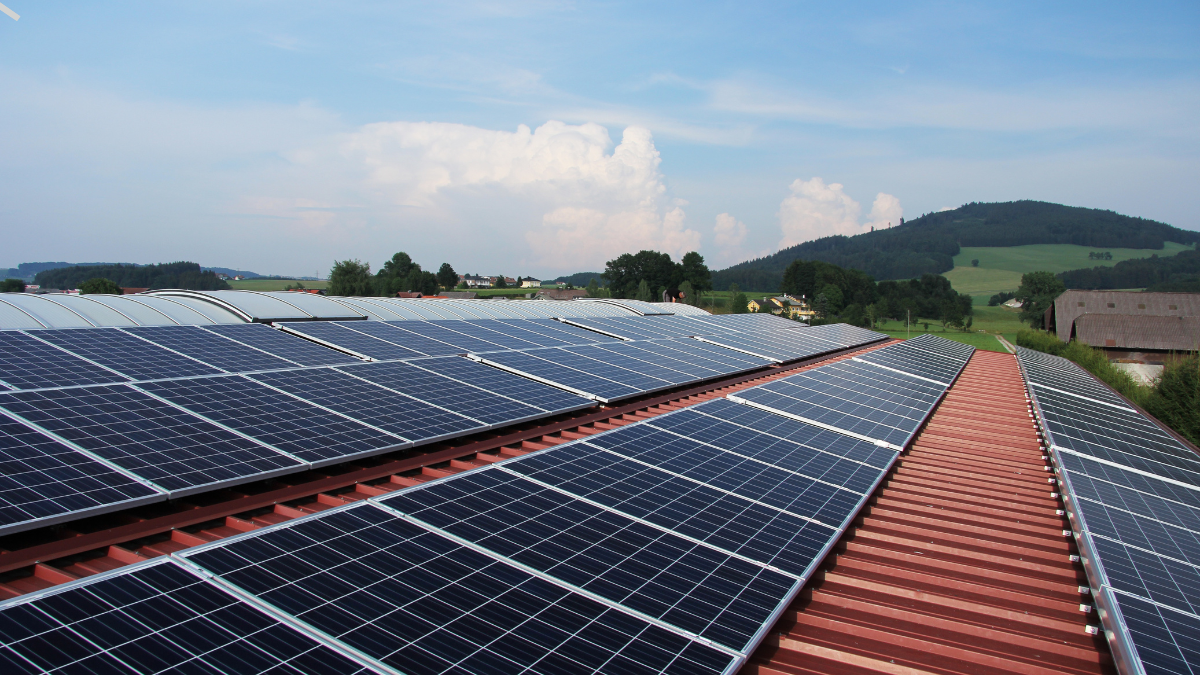
Solar mini-grids have illuminated villages in the North that were never connected to the national grid. Solar-powered cold storage is also being used by farmers to preserve their produce. Health centres can store vaccines and run basic medical equipment independent of erratic supply lines.
Startups like Arnergy and Lumos are selling solar home systems in Lagos and other cities, offering families around-the-clock electricity without the headache of generators or interruptions. In Kaduna and Ogun, hybrid energy schemes are lighting schools, markets, and small firms.
Clean energy is no longer an option B. For many, it is the only plan that is working.

Why Solar Makes Sense, Financially and Practically
A common argument against renewable energy is that it’s too expensive for the average Nigerian. But that is not true anymore.
The cost of solar panels has dropped more than 80% in the past decade. Battery technology has also improved, enabling solar installations to become more dependable and affordable.
Most importantly, it’s a certainty when it comes to cost. With generators, you’re always budgeting for fuel, oil, and maintenance costs. But with solar, once you’ve paid for the system, your monthly payments decrease significantly. Not only less expensive in the long term, but it’s also less stressful.
The renewable energy industry is also generating jobs. Installers, technicians, and engineers, this is not work that can be outsourced. If Nigeria goes full force into renewables, we’re talking about a huge chance to combat unemployment and energy poverty simultaneously.
Breathing Easy: The Health Impacts of Going Green
Everyone who resides in a Nigerian city knows the scent of diesel fuel. Generators are perhaps inevitable, yet they’re poisonous.
Air pollution from generators is also among the top causes of respiratory illness in urban areas. This is recognized by the World Bank as an emerging public health emergency, and the statistics do not lie: thousands of Nigerians lose their lives every year due to pollution. Clean energy translates to cleaner air. It translates to fewer coughing kids, fewer hospital visits, and a healthier world overall.
And then there’s the larger picture, climate change. Nigeria is already experiencing its impacts: erratic rains, intense heat, and floods. Shifting to renewables allows us to cut down on our emissions and give back to the world, as well as safeguard local communities from mounting environmental shocks.
What’s Holding Back the Revolution?
If clean energy is so practical, why can’t all homes in Nigeria run on solar?
The primary obstacle is cost. Despite declining costs, a whole solar system remains a significant initial investment for most individuals. Financing options assist, but fail to cover everyone. Additional assistance is necessary, particularly for low-income households.
And then there’s government policy—or the lack of it. Tariffs on solar equipment drive up the cost. Unpredictable regulations scare off investors. And bureaucracy slows everything down.
Another is public opinion. Too many people still believe solar doesn’t work on a cloudy day, or that it will cost an arm and a leg. Those urban myths prevent people from even looking into it. The success stories exist—they just need to be told.
What Needs to Change
For clean energy to become Nigeria’s primary source of power, rather than a Plan B, it requires some fundamental reforms:
Subsidize solar like we subsidize fuel
If the government can spend billions on petrol subsidies, then it can find a means to subsidize solar.
Promote local production
Most of the solar components are now imported. We should be producing panels and batteries locally, generating jobs and saving funds.
Allow states to move forward first
Energy doesn’t have to be an exclusively federal concern. Allow state governments to develop their renewable infrastructures independently of the national grid.
Provide information
Organize campaigns. Go into communities. Show people how clean energy is harnessed and how it can change their lives.
Promote innovators
Give grants, tax breaks, and technical support to the startups that are already doing the work. Let them expand faster.
A Way Forward—Bright, Quiet, and Reliable.
The national grid will not collapse overnight. Nor will it fix itself. To millions of Nigerians, renewable energy is not a pipe dream but the only thing that is currently working. It is time to cease waiting for miracles to come from Abuja. The clean energy revolution has already passed us by, and we must now invest in it, cultivate it, and scale it up. We have the sun. We have the wind. What we lack is political will and national coordination. But if communities, corporations, and leaders can rally behind this transition, the future may well be brighter than we’ve allowed ourselves to imagine. The revolution of clean energy is not only achievable—it’s a necessity. And for Nigeria, it may well be the sole choice.