Afrofusion’s global impact has transformed music and fashion into powerful tools of cultural expression across continents. What was once considered a localized blend of African rhythms and contemporary sounds has evolved into a worldwide movement shaping global entertainment and style. Artists, designers, and creatives now draw inspiration from African culture in ways that influence mainstream audiences far beyond the continent. Streaming platforms, social media, and international collaborations have accelerated this growth, allowing African creativity to move from the margins to the center of global culture. While Afrofusion is primarily perceived as entertainment, its influence reaches deeper into identity, economics, and cultural representation.
The Afrofusion global impact demonstrates how music and fashion can reshape perceptions, redefine cultural authority, and position Africa as a leading voice in modern creativity.
The Rise of Afrofusion on the Global Stage
The Afrofusion global impact began with artists who intentionally blended traditional African sounds with global genres such as hip-hop, reggae, dancehall, pop, and R&B. Unlike earlier eras when African music struggled for international recognition, modern artists embraced digital platforms that eliminated geographic barriers. Musicians like Burna Boy, Wizkid, and Tiwa Savage introduced audiences worldwide to rhythms rooted in African storytelling while maintaining universal appeal.
Streaming technology played an important role in this expansion. Platforms like Spotify and Apple Music curated playlists that exposed listeners to Afrofusion regardless of location. Listeners in Europe, North America, and Asia began consuming African music alongside mainstream Western releases. Viral dance challenges on TikTok further accelerated exposure, turning Afrofusion songs into global soundtracks for youth culture. Industry analysis shows that digital platforms and global collaborations helped African music transition from regional popularity to worldwide dominance, expanding audiences far beyond the continent’s traditional markets.
International collaborations strengthened this visibility. Partnerships between African artists and global musicians allowed Afrofusion to enter established markets while maintaining cultural authenticity. Rather than adapting entirely to Western expectations, artists exported African sounds on their own terms. This shift marked a significant cultural moment because African creators became trendsetters instead of followers.
Live performances also reinforced the Afrofusion global impact. Major festivals welcomed African performers, exposing diverse audiences to energetic performances rooted in African heritage. These stages validated Afrofusion as a global genre rather than a regional curiosity. As audiences embraced these sounds, record labels and media institutions began investing more heavily in African talent, further expanding global reach.

Afrofusion and the Transformation of Global Music Identity
Afrofusion has reshaped how global audiences understand music identity. Traditionally, the global music industry centered Western narratives and production styles. The Afrofusion global impact disrupted this hierarchy by introducing rhythmic diversity, multilingual lyrics, and storytelling grounded in African experiences.
Artists increasingly sing in multiple languages within a single track, blending English with Yoruba, Pidgin, Swahili, or other African languages. This multilingual approach challenges the assumption that global success requires linguistic conformity. Listeners connect emotionally with rhythm and authenticity rather than language familiarity alone.
Production styles also evolved. Afrofusion emphasizes percussion, layered melodies, and groove-driven compositions that encourage movement and community participation. Producers worldwide now incorporate African drum patterns and sonic structures into mainstream pop music. This influence demonstrates how Afrofusion reshapes not only artists but also the technical foundation of global sound production.
The Afrofusion global impact also influences storytelling themes. Songs frequently explore resilience, celebration, migration, and identity. These narratives resonate with diasporic communities and global youth navigating cultural hybridity. Music becomes a shared emotional language connecting audiences across borders.
As a result, African artists now headline international charts rather than appearing as niche performers. The genre’s expansion reflects a broader cultural shift where audiences actively seek diverse voices. Afrofusion represents authenticity in an era increasingly defined by cultural exchange.
Afrofusion’s Influence on Fashion Trends Worldwide
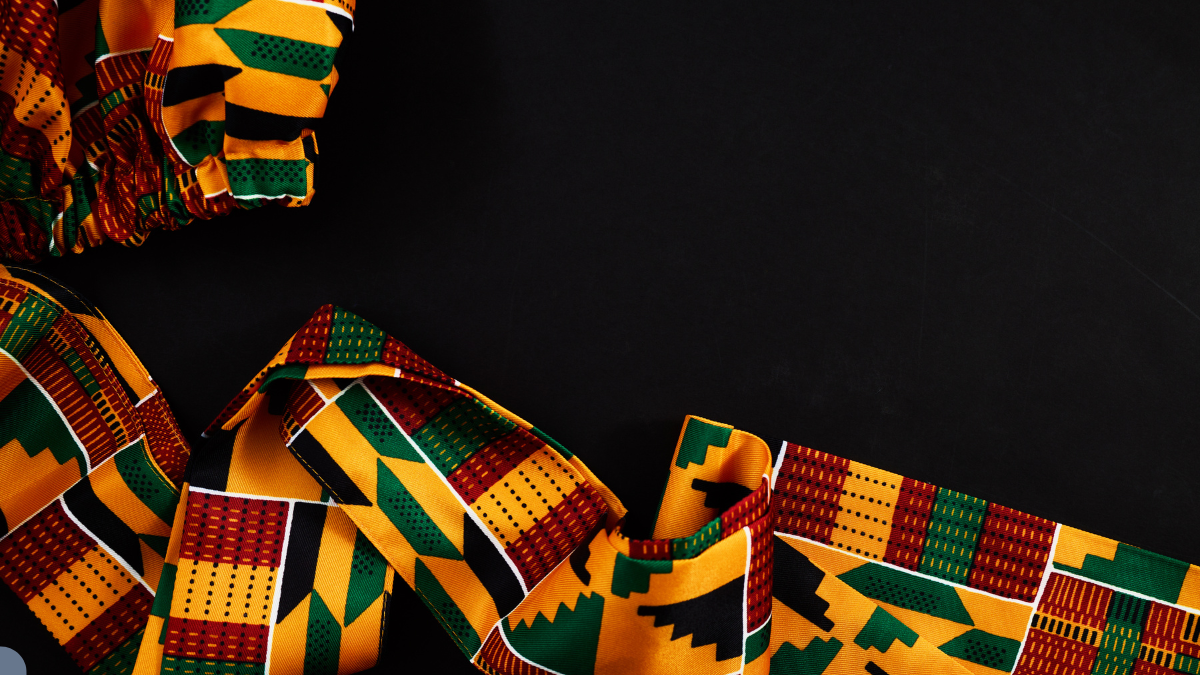
The Afrofusion global impact extends beyond music into fashion, where African aesthetics redefine global style standards. Designers incorporate traditional textiles such as Ankara, Adire, and Kente into modern silhouettes that appeal to international markets. These designs celebrate heritage while embracing innovation.
Fashion designers across Africa have gained visibility through music videos, award ceremonies, and celebrity endorsements. Artists frequently showcase African brands during performances, turning fashion into a visual extension of musical identity. This connection between sound and style strengthens Afrofusion’s cultural presence.
Global fashion houses increasingly collaborate with African creatives, acknowledging the commercial and artistic value of African design perspectives. Runway shows now feature bold prints, vibrant color palettes, and craftsmanship inspired by African traditions. Contemporary fashion analysis highlights how Afrofusion fashion blends traditional African elements with modern global styling, creating designs that resonate with international audiences.
Social media platforms amplify these trends. Influencers and stylists share Afrofusion-inspired outfits that quickly circulate worldwide. Young audiences adopt these styles, blending African patterns with contemporary streetwear. This democratization of fashion allows cultural exchange without requiring access to elite fashion institutions.
The Afrofusion global impact also encourages sustainability conversations. Many African designers emphasize handmade production and locally sourced materials, promoting ethical fashion practices. Global audiences increasingly appreciate authenticity and craftsmanship, aligning with broader movements toward responsible consumption.
Fashion influenced by Afrofusion therefore becomes more than aesthetics. It represents cultural pride, economic opportunity, and creative independence. African designers gain international recognition while reshaping how global fashion values originality and heritage.
Cultural Exchange and Representation Through Afrofusion
Afrofusion fosters cultural exchange by connecting communities through shared artistic experiences. The Afrofusion global impact allows audiences worldwide to engage with African traditions without physical proximity. Music, dance, and fashion function as cultural ambassadors that communicate history and identity.
Diaspora communities play a crucial role in this exchange. African immigrants and descendants introduce Afrofusion into local cultural spaces, creating hybrid identities that blend global influences with ancestral heritage. Festivals, concerts, and online communities strengthen these connections.
Representation remains a central outcome of this cultural shift. For decades, global media portrayed Africa through limited narratives focused on conflict or poverty. Afrofusion presents alternative images centered on creativity, joy, and innovation. Audiences encounter Africa through artistry rather than stereotypes.
Educational institutions increasingly study Afrofusion within cultural and music programs. Scholars analyze its economic influence, social messaging, and artistic evolution. This academic attention validates Afrofusion as an important cultural movement worthy of intellectual exploration.
The Afrofusion global impact also strengthens cultural confidence among young Africans. Seeing artists and designers achieve global success encourages youth to pursue creative careers. Representation expands possibilities and reshapes aspirations across the continent.
Economic Opportunities Created by Afrofusion
Afrofusion generates economic benefits that extend beyond entertainment. The Afrofusion global impact supports industries including fashion production, event management, digital marketing, tourism, and media distribution. Creative economies thrive when cultural products attract international demand.
Concert tours create employment for dancers, stylists, photographers, and production teams. Fashion collaborations open export opportunities for African designers. Streaming revenue introduces new financial models that reward independent artists without relying solely on traditional record labels.
Tourism also benefits from Afrofusion’s visibility. Fans travel to experience African festivals, music scenes, and cultural events firsthand. Cities known for vibrant creative communities attract international visitors seeking authentic experiences.
Entrepreneurs leverage Afrofusion’s popularity by launching brands inspired by music culture. Merchandise, fashion labels, and digital content platforms emerge around artist communities. This ecosystem demonstrates how cultural influence translates into sustainable economic growth.
The Afrofusion global impact therefore contributes to development by positioning creativity as an economic resource. Cultural exports become tools for national branding and global engagement.
Challenges Facing Afrofusion’s Global Expansion
Despite its success, Afrofusion faces challenges that shape its future. Commercialization sometimes pressures artists to dilute cultural authenticity in pursuit of mainstream appeal. Balancing global accessibility with cultural integrity remains an ongoing concern.
Intellectual property protection also presents difficulties. African creators often struggle to receive proper credit or compensation when global industries adopt their styles or sounds. Strengthening legal frameworks and industry awareness becomes essential for protecting creative ownership.
Another challenge involves cultural misunderstanding. As Afrofusion spreads, audiences may consume aesthetics without understanding cultural context. Education and storytelling help ensure appreciation rather than appropriation.
Infrastructure limitations within parts of Africa also affect production capacity. Limited funding, equipment access, and distribution networks can restrict growth for emerging artists. Continued investment in creative infrastructure will support long-term sustainability.
Addressing these challenges ensures that the Afrofusion global impact remains equitable and artist-centered rather than exploitative.
Balancing Global Influence with Cultural Roots
Global cultural exchange offers opportunities for innovation, but maintaining cultural roots remains essential. The Afrofusion global impact succeeds because it blends modern experimentation with traditional foundations. Artists who remain connected to heritage create work that resonates authentically.
Communities, educators, and industry leaders play roles in preserving cultural context. Supporting local languages, traditional instruments, and indigenous storytelling ensures that innovation does not erase identity. Cultural evolution works best when grounded in historical awareness.
Young creators increasingly understand this balance. Many artists intentionally incorporate folklore, traditional dance movements, and cultural symbolism into modern productions. This approach allows Afrofusion to evolve without losing authenticity.
Fashion designers follow similar principles by adapting traditional fabrics into contemporary designs while respecting cultural significance. This balance strengthens global appreciation and prevents cultural dilution.
Final Word
Afrofusion’s global impact on music and fashion represents one of the most significant cultural movements of the modern era. It has transformed how the world experiences African creativity, shifting global attention toward innovation emerging from the continent. Through music, fashion, and digital culture, Afrofusion connects audiences across borders while promoting representation and cultural pride.
The movement demonstrates that cultural influence no longer flows in a single direction. African artists and designers now shape global trends rather than merely adapting to them. This shift empowers creators, inspires youth, and expands economic opportunities within creative industries.
As technology continues to connect societies, the Afrofusion global impact will likely grow stronger. Its success proves that authenticity resonates universally and that culture thrives when shared openly. By embracing heritage while encouraging innovation, Afrofusion has established itself as a defining force in global music and fashion, ensuring that African creativity remains central to the future of global culture.
References
1. https://guzangs.com/how-african-music-conquered-the-world/
2. https://www.isioclothing.com/blogs/news/afro-fusion-fashion-blending-traditional-with-modern-style
3. https://appliedworldwide.com/music-and-cultural-identity/