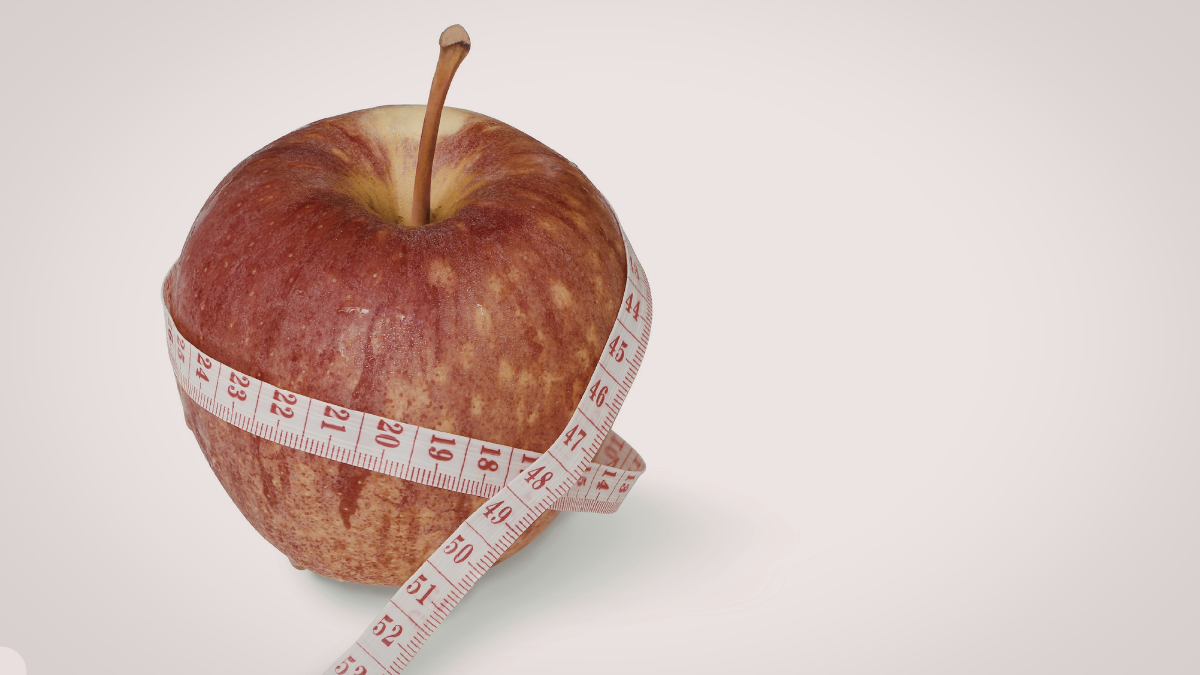
Body image in Northern Nigeria is shaped by strong social expectations. A fuller female body is widely associated with beauty, fertility, and health. It is also linked to social acceptance within marriage and community life. These expectations are not always stated openly. However, they are reinforced through everyday remarks and social evaluations. Over time, they influence how women interpret and measure their bodies against what is considered desirable.
Within this context, weight gain practices have shifted over time. Traditional methods were gradual and required consistency. These included increased food intake and structured diets. Today, faster alternatives are becoming more common. One of these is Zuman Kiba. It now circulates within informal traditional medicine and kayan mata markets. It is widely used by women seeking quicker body transformation.
Zuman Kiba is commonly described as a honey-based mixture. It is said to contain other undisclosed substances. It is taken with the expectation of rapid weight gain and increased body fullness. Its appeal lies in its perceived speed and ease of access. This is especially true for people who struggle to gain weight naturally, especially those with an ectomorph body type . It also appeals to those under social pressure to meet body expectations.
Beyond this description, what becomes important is how it is understood. Its acceptance is shaped through everyday social interaction. People come to believe in it through communication and shared experience. This shifts attention from what it is assumed to be, to how meaning is built around it.
This leads to an examination of its social perception in Northern Nigerian society.
Social Perception of Zuman Kiba in Northern Nigerian Society
The perception of Zuman Kiba is shaped less by direct knowledge. Instead, it develops through everyday communication. Most people learn about it through conversations and informal recommendations. Personal accounts also play a major role in shaping belief.
Its credibility grows through repeated claims. People often say it works very fast. Others share stories of visible weight gain. These accounts circulate across homes, salons, and informal markets. Over time, repetition begins to replace verification. What is heard often starts to feel true.
Presentation also strengthens acceptance. References to honey create familiarity. Mentions of traditional wellness practices increase comfort. These elements suggest safety, even without clear evidence. In this way, cultural familiarity becomes part of how it is accepted.
Trust also spreads through close relationships. When someone within a trusted circle shows results, belief increases. There is often little need to question further. Personal experience begins to outweigh external validation.
Language plays a role as well. Words linked to Zuma carry cultural and religious meaning. They provide emotional reassurance and increase confidence in the substance.
Zuman Kiba therefore circulates not only as a product. It spreads as a socially reinforced idea shaped by repetition, familiarity, and trust.
Use of Zuman Kiba in Northern Nigerian Society
Understanding how Zuman Kiba is used helps explain its growing acceptance. It shows who uses it, why they use it, and how it is applied in everyday life.
This approach is similar to studying consumer behaviour. Patterns of use often reflect deeper needs and expectations. Examining its users reveals the social and psychological context behind its adoption.
Women who struggle to gain weight naturally form one major group. Their body type or metabolism makes weight gain difficult. For them, traditional methods may not produce visible results. Zuman Kiba appears as a faster alternative.
Another group includes women responding to social expectations of body image relating to marriage . In many cases, body size is linked to marriage readiness and respectability. This makes brides-to-be more likely to seek quick solutions.
There are also users influenced by repeated body-related comments. People who are constantly Body shamed for various reasons. Body shaming can affect how individuals see themselves. For this group, using Zuman Kiba becomes a way to reduce criticism. It is also a way to improve social acceptance.
In practice, Zuman Kiba is often described as a short-term solution. It is taken for a limited period until visible results appear. This creates the impression of controlled and intentional use.
There are also informal usage guidelines. Some people say it should not be used during breastfeeding. These warnings resemble medical advice and increase trust. However, they are not based on verified clinical evidence.
Overall, its use reflects a mix of physical need, social pressure, and perceived effectiveness.
Implications of Zuman Kiba Use in Northern Nigerian Society
Examining the implications of Zuman Kiba reveals deeper concerns. These include health risks, social effects, and behavioural patterns.
From a health perspective, rapid weight gain follows certain biological processes. These may include fluid retention, increased appetite, or metabolic change. Hormonal effects may also play a role. In some cases, similar outcomes are linked to steroid-like substances. For Zuman Kiba, these remain possible explanations. They are not based on confirmed evidence.
Another concern is the lack of regulation. There is no standard dosage or medical supervision. This creates uncertainty in how the body responds. People may take inconsistent amounts. They may also use it for longer than intended.
Informal rules also shape perception. Warnings about breastfeeding suggest caution and structure. They make the substance appear controlled and safe. However, these guidelines are not medically verified. In this case, perception begins to replace evidence.
There is also a social effect. Fast solutions change how people respond to body pressure. Instead of gradual change, people look for immediate results. This strengthens body expectations over time.
Short-term results can also delay awareness of risk. If early changes appear positive, continued use becomes more likely. Negative effects may not be noticed immediately.
Psychologically, speed becomes attractive. People begin to prefer quick results over slower processes. This can influence behaviour even without strong pressure.
Culturally, familiarity builds trust. References to honey suggest safety and naturalness. Traditional language adds comfort and acceptance. These elements shape perception, even when composition is unclear.
Together, these implications show how Zuman Kiba becomes normalized in society.
Conclusion
Zuman Kiba reflects more than a method of weight gain. It shows how body image and social pressure shape everyday choices.
People often trust what feels familiar. Cultural language and shared beliefs make things appear safe. This can happen even without clear understanding.
There is also strong pressure to achieve a certain body type. Appearance is often linked to respect and acceptance. This makes fast solutions more appealing than careful consideration.
Still, it helps to pause and reflect. Asking what is being taken and why it is trusted can make a difference. It also helps to question where that trust comes from.
Not every quick result is worth the uncertainty behind it.
Body image is shaped over time. So are the choices people make. When something promises fast change, it helps to think beyond the moment.
Because the body is not only about appearance. It is also about health and long-term wellbeing.