It’s another wedding week as I stand before my mirror, that familiar feeling of disappointment washing over me like a tidal wave. My custom-made aso ebi hangs on my body, looking nothing like I’d imagined. For weeks, I saved that one reference photo: a gorgeous, curvaceous woman whose body filled out every inch of that same style perfectly, her silhouette a cascade of ideal proportions, the kind celebrated on Nollywood red carpets and influencer pages.
When I showed my tailor, my heart swelled with excitement and anticipation, a hope that I, too, could step into that specific mold of beauty. But now, in the stark reality of my bedroom, the dress doesn’t sit the same way on my frame. It gaps here, pulls there; it doesn’t hug my curves the way it did on hers. The shocking, painful truth settles in my stomach: it’s because I don’t have those curves. I find myself pulling at the fabric, cinching, tucking, standing at unnatural angles, my inner voice a relentless critic. Why doesn’t it look right? Is my back too broad? Is my waist not small enough? What’s wrong with my shape? The answer, of course, the rational, quiet truth I struggle to hear is that nothing is wrong with my body. The problem is that I’ve been trying to force it to conform to an idea it was never meant to fit, an ideal sold to me by a culture that has quietly turned celebration into competition.
This deeply personal scene plays out across Nigeria every single weekend, in countless bedrooms and fitting rooms from Lagos to Port Harcourt, Abuja to Ibadan. Wherever celebrations bring communities together through the vibrant yet complex cultural tradition of aso ebi, this private anxiety lurks beneath the surface.
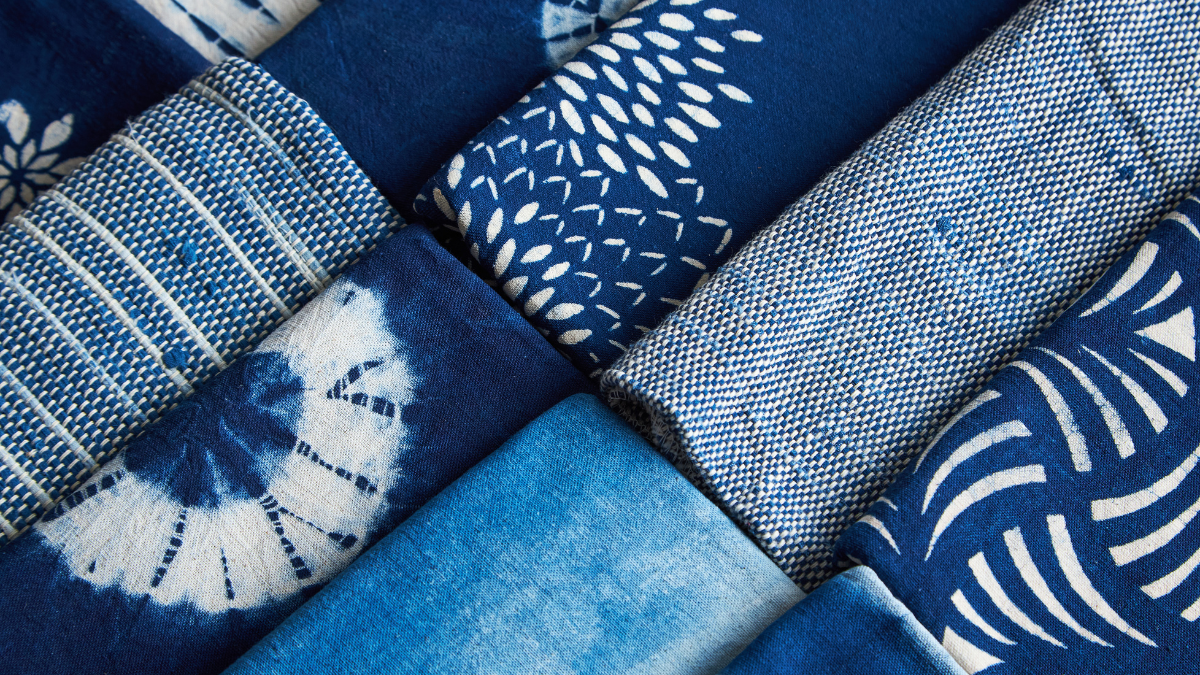
Aso ebi, the uniform fabric worn by family and friends to signify solidarity at weddings, burials, and milestone events, is a cornerstone of Nigerian social life. It’s a visual language of belonging. Yet, what began as a beautiful, collective expression of unity and cultural identity has subtly morphed into something far more sinister: a pervasive breeding ground for body dysmorphia and unrealistic beauty standards that are silently eroding the mental health and self-esteem of Nigerian women.
This article delves deep into the dangerous intersection of culture and body image, the powerful role of social media and globalization, the economic drivers behind the “perfect body,” and how we can collectively begin to reclaim the true, joyful spirit of aso ebi.
From Symbolism to Showcase: The Evolution of Aso Ebi Pressure
To understand the present crisis, we must look at the journey. Aso ebi fashion has undergone a dramatic and intense evolution over the past few decades. Historically, it was a simple, modest, and primarily symbolic tradition. Think elegant, loose-fitting iro and buba or flowing bubus. Garments that prioritized elegance, comfort, and modesty over anatomical display. The focus was on the uniformity of the fabric, a visual representation of your role in the community and your support for the celebrants.
The shift began with globalization and the rise of a visual, digital world. Today, aso ebi has transformed into a high-stakes, visually-driven fashion competition. Women are not just expected to attend an event; they are expected to arrive as living, breathing magazine covers, often airbrushed by expectation if not by software. The event itself becomes a runway, and every guest is both model and critic.
The pressure is relentless and multifaceted. It’s no longer just about wearing the same fabric; it’s about wearing it better, more expensively, and more strikingly than the next person. The unspoken rulebook, reinforced in gossip and online comment sections, is clear and unforgiving: you must look flawless. Your gele must be a sculptural masterpiece, sitting perfectly without a hint of struggle, a testament to hours of practice or a skilled stylist. Your makeup must be professionally done, contouring to create shadows and highlights that redefine bone structure. Your jewelry must be “real” and noticeable.
And most critically, your body must seamlessly fit into increasingly figure-hugging, body-conscious designs that leave absolutely no room for natural bodily variations, broad shoulders, soft stomachs, narrow hips, or straight figures. The forgiving Ankara of the past has given way to sleek, often non-stretch brocades, sequined fabrics, and mermaid cuts that demand a specific physique. The fabric itself has become a public measuring tape, visually gauging one’s adherence to a very specific, often surgically or digitally enhanced, bodily ideal.
This shift has turned joyous events into sources of pre-event anxiety. The questions aren’t just “What will I wear?” or “Who will be there?” but “Will my body be acceptable in what I wear?” and “How will I compare?” This anxiety can manifest physically, leading to disordered eating, last-minute dangerous procedures, or a deep sense of dread that overshadows the celebration itself.
The Waist Trainer Industrial Complex: The Multimillion-Naira Economy of Body Modification
The pressure to conform doesn’t exist in a vacuum; it fuels a booming economy. To understand the depth of this issue, one needs only to visit any major Nigerian fashion market like Balogun in Lagos or Ariaria in Aba, or scroll through the countless beauty supply Instagram pages. An entire shadow economy has flourished around urgent, pre-event body modification. We can call it the “Waist Trainer Industrial Complex,” a multimillion-naira ecosystem built on insecurity.
It manifests in various tiers of intervention, from temporary fixes to permanent alterations:
- The Cosmetic Quick-Fix Market: This is the most accessible layer. Waist trainers, waist cinchers, padded hips and buttocks (“bum and hip pads”), and heavy-duty shapewear fly off shelves, promising an instant, painless silhouette transformation. Advertisements tout them as “essential” for any owambe outfit. This market preys on the need for immediate results with minimal investment.
- The Surgical Standardization: Brazilian Butt Lifts (BBLs), liposuction, tummy tucks, and breast augmentations are no longer just for celebrities. They are increasingly marketed as necessary investments, even “assets” to achieve the “society body” or the “Instagram body.” This term is now culturally synonymous with a cinched waist, exaggerated hips, and a round, prominent posterior. The normalization is alarming; surgery is often discussed not as a major medical decision but as a routine beauty upgrade, like getting braids. However, this downplays the significant risks, recovery time, and potential for life-threatening complications, especially when sought from unqualified practitioners.
- The Dangerous DIY & Underground Route: For those who cannot afford or fear formal surgery, desperation leads to perilous alternatives. This includes seeking illegal silicone or hydrogel injections from unlicensed “technicians” operating in hotels or homes, procedures that have led to infections, disfigurement, and death. It also encompasses extreme crash diets, misuse of medications for weight gain or loss, and the widespread practice of paying tailors to strategically sew layers of foam (“flex foam”) into dresses to create the illusion of curves that society demands. This tailor-led padding is perhaps the most telling sign of the crisis: the garment itself is being engineered to disguise the natural body beneath.
I remember, in my own moment of deep vulnerability, googling “how to get curves in one week,” falling for ads that promised miraculous transformations through pills or “appetite enhancers.” I spent hours daydreaming about finally fitting a dress in a way that would earn not just compliments, but that specific look of approval that says, “You got the body right.” This internal dialogue, the obsessive planning, the financial calculation, the hope pinned on altering one’s natural form is the insidious voice of body dysmorphia.
Body dysmorphia is not simply insecurity; it is a serious, often debilitating mental health condition characterized by a preoccupation with perceived defects in one’s appearance, flaws that are often minor or completely unnoticeable to others. In the hyper-visual, comparative context of Nigerian Aso Ebi culture, these perceived flaws are magnified tenfold by the side-by-side scrutiny. In a society where mental health discussions still carry heavy stigma, countless women suffer this distress in profound silence. Their inner turmoil the anxiety, the disgust, the feeling of being “wrong” is perfectly masked behind the radiant, smiling, perfectly posed façade of an owambe photo posted with the hashtag #Asoebi.
The Social Media Amplification Effect: The Global, Virtual Runway of Perfection
If modern Aso Ebi culture provides the stage, then Instagram, TikTok, and Facebook serve as the blinding, global, 24/7 spotlight. These platforms have not just documented the change; they have accelerated and monetized it. They have become virtual runways where every outfit is not just displayed but meticulously scrutinized, compared, rated, and judged by an audience of thousands.
The cycle is both performative and psychologically damaging, creating a closed loop of pressure:
- The Pre-Event Performance: The preparation is now a content strategy. Poses are practiced, locations are scouted for the best lighting, and the “unboxing” of the aso ebi becomes its own video.
- The Post-Event Alteration: The raw photo is rarely the final product. Hours are spent with editing apps like FaceTune or Photoshop Lightroom. Waistlines are nipped in, hips are smoothed and rounded, skin texture is erased, legs are elongated. The result is a digital avatar that meets the algorithmic standard of perfection.
- The Public Courtroom: The comments section becomes a digital battleground of validation and subtle violence. Beneath the veneer of “Slay Queen!” and “Fire!” lurk coded, passive-aggressive critiques: “You tried sha.” “The style is nice, but it’s not for every body type.” “Next time, use my tailor, she knows how to cut for shape.” “Your gele would have been better if…” These comments reinforce a brutal hierarchy: there is a “right” way to look, a “right” body to have, and a public verdict is inevitable.
The psychological impact of this constant digital comparison is devastating, particularly for young girls who grow up with this as their normal. They internalize the message that their natural body is a project in need of constant correction and investment. This creates a toxic, self-perpetuating cycle where no one ever feels truly “good enough,” because everyone is chasing an impossible, fleeting ideal. The cruel, foundational irony? The “perfect” bodies they aspire to are often complete illusions, creations of Photoshop, surgical sculpture, strategic padding, and angled lighting. We are comparing our reality to someone else’s fiction.
The Ripple Effect: Beyond Individual Psychology
The damage extends beyond individual self-esteem. This culture:
- Homogenizes Beauty: It erases the incredible natural diversity of the African female form, tall, regal Fulani frames, the athletic builds, the slender types, the soft, full figures and replaces it with a single, narrow “ideal.”
- Strains Finances: The cost of keeping up with the latest aso ebi, the tailor, the accessories, the photoshoot, the potential procedures places immense financial strain on individuals and families, often in an already difficult economy.
- Distorts the Event’s Purpose: The focus shifts from celebrating a loved one’s milestone to anxiously managing one’s own image, diminishing the communal joy and support that is the tradition’s true core.
Reclaiming the Culture: A Practical, Collective Path Toward Healing
The profound tragedy is that aso ebi was never meant to be a source of shame, debt, or competition. At its pure, beautiful heart, the tradition celebrates community, belonging, and shared joy. It’s a visual proclamation saying, “We are connected. We stand with you. We are together in this moment of celebration.” It was never meant to scream, “Let’s compete to see who spent the most or who fits the mold best.”
Reclaiming this culture requires a conscious, collective, and courageous shift. It won’t happen overnight, but here is a multifaceted blueprint for change:
1. For Individuals: Cultivate Radical Self-Acceptance & Conscious Consumption
- Curate Your Feed: Actively follow body-positive Nigerian influencers, stylists who work with diverse models, and hashtags like #BodyConfidenceNG, #AfricanBodiesAreBeautiful, and #SlowFashionNaija. Unfollow accounts that solely promote one body type or make you feel inadequate.
- Reframe the Goal: Before an event, set an intention: “I want to feel comfortable and joyful,” not “I want to look like XYZ.” Choose styles and fabrics that make you feel confident, not just what is trending.
- Talk About It: Break the silence with trusted friends. You’ll often find you’re not alone in your feelings. This shared vulnerability reduces shame and builds solidarity.
2. For Tailors & Fashion Designers: Become Architects of Inclusivity
- Skill Development: Tailors should be empowered with training on how to draft patterns for different body types; apple, pear, rectangle, hourglass and not just a standard medium. Celebrate tailors known for making any client look and feel amazing.
- Promotional Shifts: Use mannequins of different sizes in shops. Feature real, unedited clients of all shapes on social media. Advertise your skill as “custom fit for YOUR unique body.”
- Style Revival: Gently guide clients toward elegant, flattering styles that aren’t exclusively body-con. Reintroduce beautifully tailored flowing gowns, peplum tops, structured jackets, and other designs that celebrate style over stricture.
3. For Event Planners & Social Circles: Shift the Social Narrative
- Theme for Joy: When planning events, choose aso ebi styles known for comfort and versatility. Make the style about color and pattern, not about clinging to curves.
- Compliment Differently: Move beyond “Your body is fire!” to compliments like “You look so joyful!”, “This color is stunning on you!”, “Your smile is radiant!”, or “You carried this style with such grace!”
- Zero Tolerance for Body Shaming: Call out subtle or overt body criticism, whether online or in person. Make it clear that such talk is not part of your community’s values.
4. For Society: Initiate Open, Honest Conversations About Mental Health
- We must specifically name and address how cultural practices like aso ebi can inadvertently harm our psychological well-being. Mental health advocates, community leaders, and even religious figures can play a role in integrating these discussions.
- Normalize seeking therapy for body image issues. Share resources for mental health support in Nigeria.
- Support and amplify the voices of psychologists, counselors, and advocates who are speaking on this specific issue.
Conclusion: Your Body is the Celebration
My own journey toward acceptance is ongoing, a winding road with good days and hard days. But as I learn, slowly and gently, to accept my body in its unaltered, authentic state, to see its strength that carries me, its history that tells my story, and its unique beauty that is mine alone. My message for every woman, auntie, sister, and girl feeling the crushing weight of the next aso ebi purchase:
The fabric you wear is meant to be a celebration of connection to family, to friendship, to culture. Let it also be a celebration of you. The goal is not to look like the woman in the reference photo. The goal is to look and feel like the most radiant, comfortable, present version of yourself. The fabric should adorn and celebrate who you are, not punish you for who you are not.
Your value is not stitched into the seams of a dress, measured by inches lost or gained, or validated by likes on a screen. Your body, in all its natural, diverse, resilient, and magnificent beauty, is already enough. It is the vessel of your spirit, your laughter, your love, and your life. It is more than enough.
Let’s wear our culture with pride, not with pressure. Let’s choose community over comparison. Let’s rebuild a tradition where every woman can look in the mirror before an owambe, see her own reflection clearly, and know, without a doubt, that she belongs there just as she is.