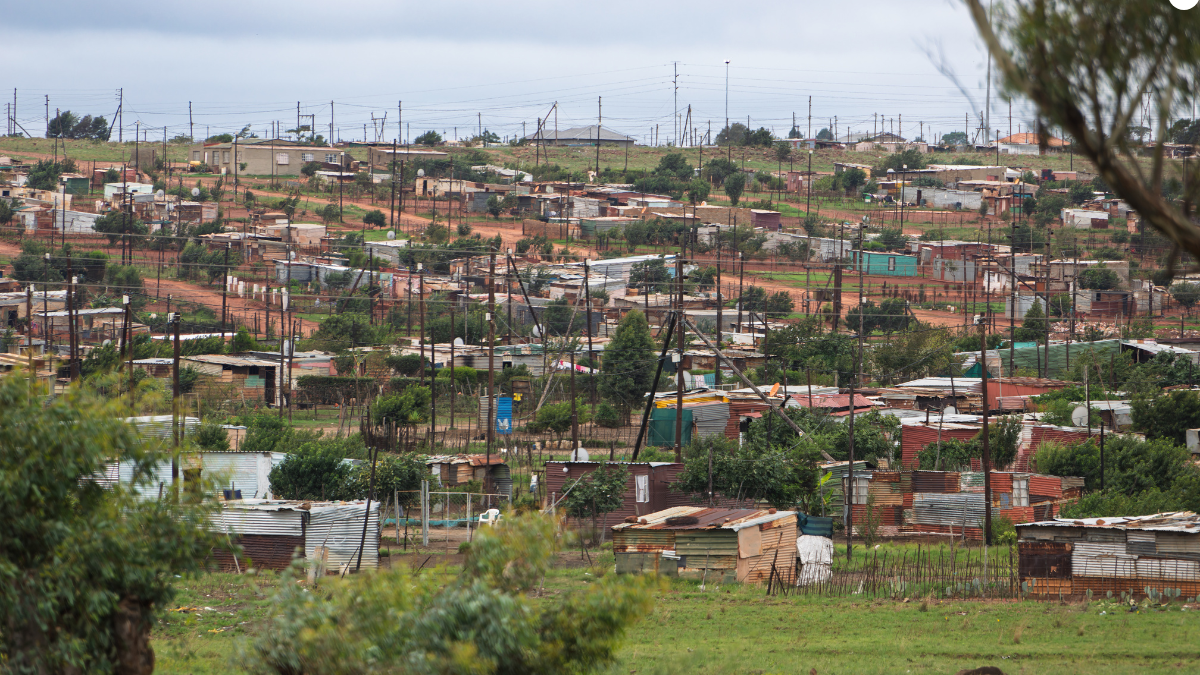
Over the past decades, Nigeria has seen a rapid and unprecedented increase in urban growth, and this might be a result of the population explosion. Therefore, this has led to the urban development of certain cities to become largely populated megacities. Such cities have, however, turned out to be cities that provide promising opportunities for youths. Urbanization has led to the creation of communities regarded as urban slums — unplanned communities. These communities are formed because of the gap that urbanization has created between rural and urban areas. Developers come to “upgrade” certain places, and the original owners of the houses might not be able to afford the new price. Therefore, they are forced to relocate to a lesser and more affordable area.
This article aims to explain the topic of discuss, the trends, causes of slum development on the environment and consequences of urbanization in Nigeria.
Definition of Terms
Urbanization: Wikipedia defines it as change in population from rural to urban areas, the corresponding decrease in the number of people living in the rural areas, and the ways by which the society adapt to this change.
Slum: A slum is a term which is used to describe a highly populated urban residential area that consist of densely packed housing units of low quality and often associated with poverty.
Trends in Urbanization, slums and the Environment
Urbanization in Nigeria is characterized by inadequate planning, rapid growth, and environmental stress. Nigeria’s urban population has grown from about 10% in 1950 to over 53% in the present day. According to the United Nations, more than half of Nigeria’s population resides in urban areas, and this figure is expected to rise to 70% by 2050. This trend shows that the gap will continue to widen. This signifies a significant economic growth, but at what expense? Can Nigeria keep up with this gap? We can only hope that the projected rapid growth can be matched equally in infrastructure, good housing, and planning.
Also, many individuals are migrating from rural areas to urban areas at quite an alarming rate because these urban areas have the resources to “change” their live. These urban areas are tagged greener pastures. Take Lagos, Abuja and Kano for example. These areas offer better access to healthcare, job opportunities or the ideas of both.
Due to the rapid increase in the population in these cities, there is pressure on the environment and the resources present. The cities are overcrowded, there are poor drainage systems, the cities are congested and many more. This may lead to shortage of houses or an increase in the price of the houses available. In turn, this leads to the formation of informal slums. In urban areas, you might be familiar with clusters of informal settlements. So, these settlements eventually grow to become bigger and bigger. Take Makoko slums and Ajegunle in Lagos for example.
The housing developers keep building houses that the wealthy can afford. Landlords renovate housing and increase the price. Gradually, housing progressively became unaffordable to quite a number of people. As the population increases, the environment also bears the effects. Let us review a practical example: imagine an apartment with 8 occupants, and each of them has a car and a generator. Now imagine having more than 50 in an area. The fumes and exhaust coming from both the cars and generators are enough to cause pollution in the environment. Waste management can be an issue in this type of area, also.

Causes of Slum Development
- Poverty and unemployment: Many people leave their homes to megacities with the hope of finding greener pastures only to get there and the situation is otherwise. They end up jobless and poor. Some of them pick up odd jobs to fend for themselves at least to afford their basic needs. Very few people go back home. They end up living in such “slum” settlement leading to an unending cycle.
- Weak urban planning: Cities can not keep up with the effects of population explosion. Absence of affordable housing is a major driver of slum development.
- Poor rural Development: If rural areas are developing and are promising enough to provide better job opportunities and healthcare, maybe we won’t have a lot of people migrating. As people migrate from rural areas, there are lesser people there and this leads to the over population of urban areas, leading to slum development.
Consequences of Urbanization
Urbanization is not a problem as it is a major driver of innovation and economic development. Here, the positive and negative consequences shall be discussed.
Positive Consequences.
- Concentration of Businesses and Industries
Urban areas are centres of industry and commerce. Lagos has a population of over 17 million people. Regardless, it will always be considered if one thinks of opening an industry. Other cities such as Abuja, Port Harcourt are also centres of industry and commerce. The combined outputs from these three cities are major drivers of the nation’s economic growth.
- Educational and Healthcare benefits
Urbanization has increased access to healthcare and education. The good clinics are located in urban areas, same goes for schools. There are more opportunities in the urban areas.
- Technological advancement
Urban areas create an environment for technological ideas and innovation to thrive. Lagos is home to big fintech industries such as Paystack, Interswitch and Flutterwave. The presence of such startups show that Lagos supports technological advancement.
Negative consequences
Having looked at the positive aspects of urbanization, the negative consequences include:
Food insecurity and pressure on land: Often times, urban growth affects agricultural development. Such that the land that can be used for agricultural purposed is converted to be used to urban development. The physical expansion of land directly increases the pressure on land.
Public health challenges: such as outbreaks of diseases. In more urban areas, communicable diseases spread faster than in rural areas.
Othe consequences include: insecurity, urban poverty amongst others.
Conclusion
Nigerian cities are caught between growth and collapse— rapid expansion, economic growth, and also the struggle to sustain the people on the resources available. The Government at all levels must aim at investing in affordable housing and healthcare for its citizens, provide more employment opportunities for youths, and also provide proper waste and drainage systems. Urban planning should also be given utmost priority. Providing an environment where ideas for innovation and economic growth should be each individual’s aim in order to make society better,