Recently, vaping has made international news more than a few times. Abroad, it’s everywhere among teenagers. However, as always, young adults are the primary focus of this relatively new health issue. Vaping in Nigeria has grown fast over the past few years, and is now seen as more trendy than a hookah. In Nigeria, access isn’t the problem. You can find vapes quietly sold in stores, at hangouts, or online, often with no age restrictions or ID checks.
People who vape often describe it as harmless. It was originally made to help nicotine addicts quit smoking, but that idea of vapes being harmless came from a time when there was barely any real information about them. A vape is also sleek, easy to carry around, and doesn’t have that strong, telltale smell like cigarettes do.
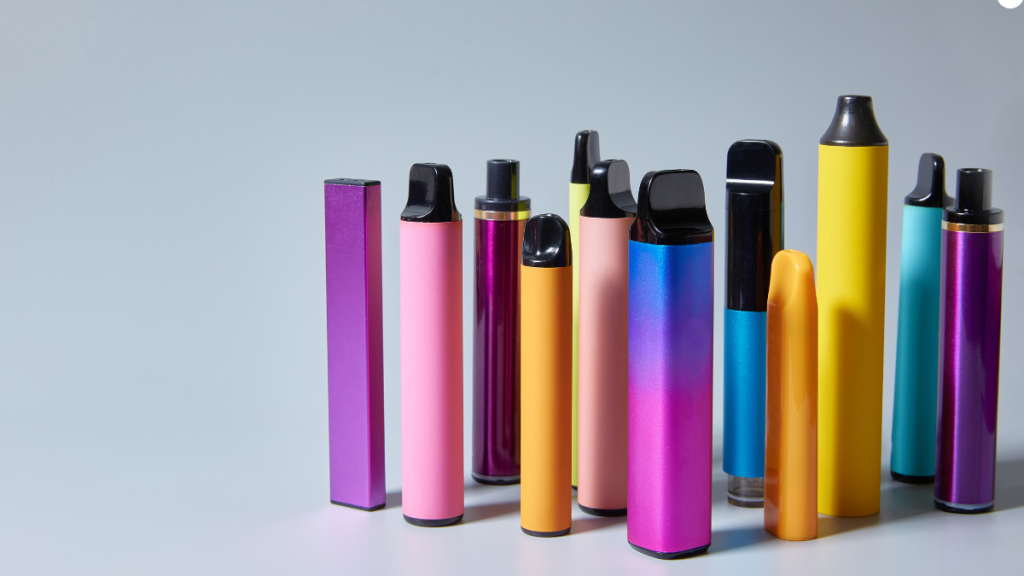
Vapes and e-cigarettes, or as an internet user once called them, “strawberry-flavoured USBs” are small, battery-powered devices that heat up a liquid, known as vape juice or e-liquid, to produce an aerosol you inhale. That puff of “smoke” is a fine mist made up of nicotine, flavouring chemicals, and substances like propylene glycol.
But as its popularity grows, it’s worth asking, what really makes vaping so appealing, and how safe is it after all?
Why They are Popular, and With Who
Vapes, e-cigs, and mods are especially common among young people. Around the world, usage rates are highest among teenagers and adults under 30, with young men making up a large part of that group. According to the World Health Organization, global e-cigarette use among teenagers has more than doubled in the last decade. In some regions, more 13 to 15-year-olds are vaping than smoking.
A large part of the appeal lies in the design. Unlike cigarettes, vapes are sleek, portable, and often look like tech accessories. Some resemble USB drives or pens. They don’t need a lighter or create ash, which makes them easy to use discreetly, even in places where smoking would normally draw attention.
Then there are the flavours: mango, mint, bubblegum, cola. These sweet, familiar tastes make vaping feel different from smoking, masking the harshness of nicotine. For many first-time users, it doesn’t even feel like smoking. People who once found the smell of cigarettes jarring often have no problem with vaping.
But the influence goes beyond design or flavour. Peer groups play a big role. When vaping becomes normal in a social circle, whether in schools, universities, or social gatherings, it’s easy to follow suit. It starts to feel harmless.
Some young people also turn to vaping to manage stress or anxiety, believing it’s less dangerous than smoking. But while it may seem like the healthier choice, vaping still comes with its own risks. Most vapes contain nicotine, a highly addictive substance that can affect brain development, especially in younger users. Heated chemicals in vape liquids can also harm the lungs and airways, even when marketed as clean or safe. Smoke in the lungs is never safe. In short, vaping fits easily into modern life – compact, flavoured, and socially accepted.
In Nigeria, the culture around vaping is still unfolding. It’s now common to see young adults vaping in lounges, at music festivals, or even in traffic, holding vapes like the latest accessory. Some Nigerians, curious about vaping, have tried it “just once,” unaware that a single puff can deliver the same nicotine hit as several cigarettes.
What is in Vape Juice?
So what exactly is in vape juice? It’s a mix of several ingredients, each playing a role in how vaping feels and tastes, but each also comes with its own risks.
1. Nicotine. This is the addictive substance in most vapes. It stimulates the brain’s reward system, making users crave more. Over time, it can cause dependence. It also raises blood pressure and increases the risk of heart disease.
2. Propylene glycol and glycerin. Colourless liquids that create the visible vapour. When heated and inhaled, it can irritate the throat and lungs.
3. Flavouring. These make vaping enjoyable with tastes like mango, mint, or cola. However, most flavouring agents are not meant for inhalation.
4. Heavy Metals. Nickel, tin, and lead have been found in some vape liquids, usually from the heating coil.
5. Formaldehyde. This can form when vape liquid is overheated. It is a known irritant and a potential cancer-causing substance.
6. THC (tetrahydrocannabinol), the chemical in marijuana.
7. Vitamin E acetate, linked to lung injury caused by vaping (EVALI).
EVALI:
In 2019, a new illness shocked the public. E-cigarette or Vaping-Associated Lung Injury, known as EVALI, was first detected in the U.S. and mostly affected young, otherwise healthy people. About 90% of reported cases required hospitalization. By early 2020, EVALI had caused nearly 3,000 hospitalizations and almost 70 deaths. In an age where almost every disease has detailed documentation, EVALI stood out as a condition we still knew very little about.
EVALI usually starts with coughing, chest pain, and shortness of breath, but it can progress quickly. Some patients also experience nausea, fever, and fatigue. In severe cases, intensive care is needed, and the illness can be fatal. People who used vaping products up to 90 days before symptoms started have developed EVALI.
Many cases were linked to vapes containing THC, the psychoactive compound in cannabis, especially products bought informally. Vitamin E acetate may also play a role. But nicotine vapes are not automatically safe either. They still expose the lungs to heated, unregulated chemicals that can cause damage over time.
EVALI is a reminder of what can happen when new products hit the market faster than research can catch up. Treatment often involves supplemental oxygen, corticosteroids, and in severe cases, mechanical ventilation. It took decades to fully understand the effects of traditional cigarettes. With vaping, it seems like history might be repeating itself.
And it is not just the lungs we should worry about. People who vape may experience changes in their heart rhythm, higher blood pressure, or reduced oxygen delivery to vital organs. These effects can quietly build up over time, sometimes without any warning, until one day they suddenly become very real.
Nicotine Addiction
One of the biggest misconceptions about vaping is that it is nicotine-free. Many users, especially beginners, assume that just because a vape is fruit-flavored, it must be harmless. In reality, most vapes do contain nicotine, and in some cases, the amount is even higher than what is found in cigarettes, posing a high risk of addiction.
Nicotine is one of the most addictive substances known, and once dependence sets in, quitting becomes a real challenge. It often comes hand in hand with alcohol use as well. The brain’s reward system, called the mesolimbic dopamine system, is one of the more primitive parts of the brain. It evolved to reinforce behaviors that help us survive. Nicotine hijacks this system. When someone addicted to nicotine tries to quit, cravings hit hard, and withdrawal can bring irritability, low mood, trouble concentrating, and strong urges to use again.
For teenagers and young adults, nicotine’s effects are even more serious. The brain is still developing during these years, and nicotine can interfere with attention, memory, learning, and emotional balance. It can also worsen or even trigger anxiety and depression. In some cases, addiction can be so severe that professional help or even hospitalization is needed.
A newer and very popular type of vape device, called a pod mod, has made the problem even bigger. A single pod can contain up to 0.7 mL of nicotine, which is roughly the same as 20 regular cigarettes.
CONCLUSION:
Vaping might look like a cleaner, trendier alternative to smoking, but “safer” doesn’t mean safe. Vaping isn’t only a lung problem. It’s a brain problem. A mental health problem. And because vaping is still new, we may not see its full consequences for years. So perhaps the real question is what vaping is really doing to us and when we will start to feel the effects?