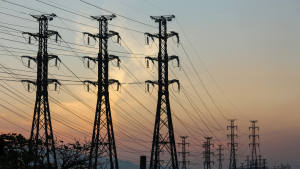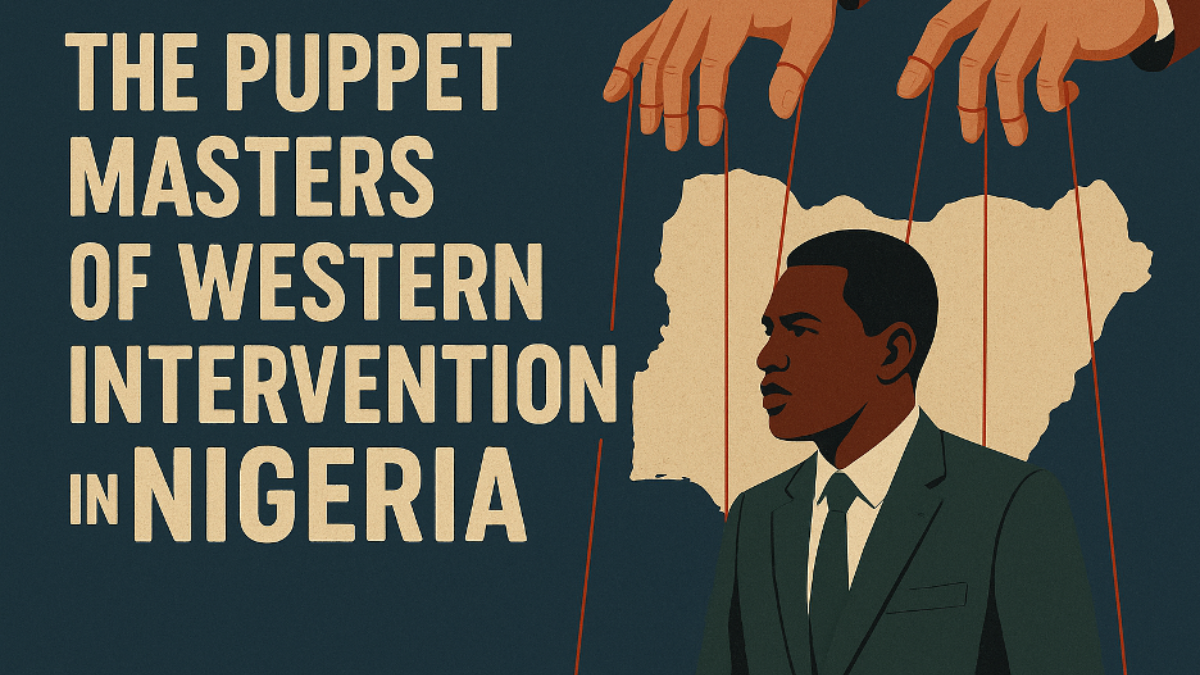
Nigeria is often touted as the “Giant of Africa.” Born of prodigious natural endowments, rich cultural tapestry, and people known for pluckiness and innovativeness, one would expect Nigeria to be a true economic superpower. But that is far from what it is. Economic problems have been consistent over time for this nation, and a pertinent question stares back: Are the Western nations contributing factors in Nigeria’s non-progress? Let us travel through history, comb through contemporary economic relations, and untangle the complex web of international connections in our pursuit of answers.
The Colonial Heritage: Roots of Economic Dependence
I recall how one of my lecturers fervently spoke to us about how the vestiges of colonialism would always hang over former colonies. No place bears this out better than Nigeria, which was a British colony. The colonial authorities took great pains to restructure Nigeria’s economy to satisfy their imperial appetite, with a focus on exporting raw materials like cocoa, palm oil, and rubber. Local industries? Barely on the radar screen. This lopsided economic scheme sowed seeds of dependence that, unfortunately, continue to bloom to this day. The focus on cash crops at the expense of a diversified economy left Nigeria vulnerable, as a table on one leg—unstable and prone to falling.
Oil Wealth: A Double-Edged Sword
The discovery of oil here was first celebrated as Nigeria’s golden ticket to development. In comes Western multinational companies (MNCs) such as Shell, and the story took a different turn. As these corporations were growing richer, host communities were paying the price in terms of environmental degradation and socio-economic instability. It is not an academic euphemism called the “resource curse”; it is real life for a large number of people in the Delta. The irony is stark: on one side is the great wealth of resources; on the other, communities struggling with poverty and environmental risks.
Structural Adjustment Programs: Economic Liberation or Entrapment?
The 1980s proved to be a volatile period for Nigeria’s economy. In crises, the country resorted to Structural Adjustment Programs (SAPs) of the International Monetary Fund (IMF) and the World Bank—agencies highly influenced by the West. The promise was economic openness, less state intervention, and a free-market heaven. Result? A mixed bag. While some industries experienced brief growth, the large swaths of Nigerians suffered from more poverty, increased inequality, and an industry base decaying everywhere. It leaves one pondering: Were these policies, all those trappings of Third-World status, designed with Nigeria’s best interest at heart or were they actually instruments of a much larger Western economic agenda?
Foreign Aid and Development Assistance: Benevolence or Influence?
Foreign aid is normally laced with the cloak of altruism. Institutions such as the United States Agency for International Development (USAID) have all played their roles on Nigeria’s development scene. Beneath the surface of all those pretty words lay complications. While assistance has helped fund infrastructural development and social programs, it’s also been a vehicle for advancing Nigeria toward larger U.S. strategic agendas. This aspect is surprising: Is all such aid genuinely helping to develop Nigeria, or is it quietly engaging in a subtle game of dependency, pushing Nigeria’s policies to tango to Western music?
The Brain Drain Phenomenon: A Subtle Undermining of Human Capital
I have a close friend, an astute doctor, who recently relocated to the UK in quest for greener pastures. His relocations find footing in an even larger story-exodus of Nigerian professional talent towards Western countries. These countries get easy access to expertise; Nigeria loses its intellectual base. Innovation and movement are hereby crumpled because of such “brain drain.”. The medical sector, to take one instance, is labouring under shortages of specialists, affecting delivery of services and public health outcomes. It’s a subtle sabotage, one that drains the lifeblood out of the progress of the nation.
Trade Deficits and Economic Alliances: A Faulty Affair Consider this:
Nigeria supplies crude oil and petroleum products, among other products. This is no economic agreement; it’s a naked inequality. Trade with Western countries tends to follow the same trend—raw materials exported, finished products imported. This vicious circle holds back domestic industries, undermines the creation of jobs, and sustains economic reliance. Attempts at renegotiating trade policies to support value addition and the strengthening of domestic industries tend to be met with obstacles, which may indicate that Western economic policies are not aligned with Nigeria’s drive towards industrialization.
Corruption and Governance: Internal Challenges with External Links
Corruption—a word that, regretfully, is now inextricably linked with the Nigerian government. Internal causatives are clearly important, but the enabling factors in the outside world can’t be discounted. Western financiers have, sometimes, wilfully closed their eyes, or, indeed, helped launder corrupt funds. This international aspect of corruption translates to the fact that outsiders, wittingly or unwittingly, are partly responsible for foiling Nigeria’s economic advancement by making possible the diversion of funds intended for development.
Case study: The Niger Delta Conflict
The history of the Niger Delta is one of wealth and devastation. Rich in oil reserves, but marred by ongoing conflict and ecological harm. Scars are left by Western-led oil operations that have devastated both the indigenous environment and its people. Poor compensation and too little meaningful development programs have caused conflict, halting production as well as the Nigeria economy by extension. It is a clear example of how Western corporate interests can fold into local economic instability.
Way Forward: Economic Sovereignty Strategies
A multi-dimensional strategy is necessary to navigate these issues:
- Economic Diversification: Besides oil, other sectors such as agriculture, manufacturing, and technology have potential. Investments in these sectors can create a robust economic foundation.
- Institutional Strengthening: Trustworthy and responsible institutions of governance can serve as shields against external manipulation and domestic corruption.
- Human Capital Investment: Creating an environment where quality professionals stay and make contributions can reverse the brain drain effect and induce innovation.
- Trade Policy Reforms: Formulation and bargaining of trade agreements focusing on value addition and protection of nascent local industries can equally balance trade imbalances.
- Environmental Accountability: Strict standards set for multinational companies ensure resource extraction does not come at a cost to local populations.
Conclusion
Blaming fingers of condemnation on Western countries alone for Nigeria’s economic crisis would be an oversimplification. But recognizing the important contributions external forces have made is essential. By grasping these dynamics, Nigeria can develop policies that serve sovereignty and sustainable development first. By having both internal weaknesses and external demands addressed, the way is open for true economic independence and development.