Discipline is one of the most important aspects of a child’s upbringing, but it’s not just about enforcing rules; it’s about helping children develop into responsible, respectful, and self-disciplined individuals. Both parents and teachers play a crucial role in shaping a child’s behavior, and while words are important, actions speak louder. Children are more likely to mimic the behaviors they see, which means adults must model the behaviors they wish to instill. In the following paragraphs, we will look at ways on how to discipline children effectively.
Without clear boundaries and supervision, children can easily pick up negative habits from peers, social media, or even within the home environment. A recent viral incident where a young woman filmed herself slapping her lecturer, leading to her expulsion, highlights the importance of teaching discipline, respect, and accountability. This incident shows that discipline isn’t just about following rules—it’s about learning self-control and understanding the consequences of one’s actions.
But how can parents and teachers instill discipline effectively? In this article, we will explore practical strategies to help children build good behavior, foster self-discipline, and grow into responsible adults.
Effective Ways on How to Discipline Children
1. Be a Role Model
Children are incredibly impressionable, often absorbing the behaviors of those around them. Whether it’s parents at home or teachers at school, if children see adults displaying qualities such as honesty, patience, and responsibility, they are likely to follow suit. However, if adults display dishonesty, aggression, or carelessness, children might view those behaviors as acceptable. In the realm of discipline, leading by example is one of the most effective methods for teaching good behavior.
If parents and teachers want children to respect authority, show empathy, and practice self-discipline, they must demonstrate these values in their daily lives. Modeling positive behaviors in real situations helps children internalize these qualities, making it easier for them to practice what they’ve seen.
2. Set Clear Rules and Stick to Them
One of the most important aspects of discipline is consistency. Children thrive in environments where clear expectations are set and boundaries are consistently reinforced. Whether at home or in the classroom, consistent rules help children understand what is expected of them and what the consequences will be if those expectations are not met.
For example, at home, parents can enforce clear rules regarding screen time, chores, and bedtime routines. In schools, teachers should establish classroom rules. Such as raising hands before speaking or respecting classmates’ opinions. It’s essential that these rules are not just established but are followed through consistently. When children know that rules are not arbitrary and that they will be enforced fairly, they are more likely to adhere to them.
3. Create a Safe and Supportive Environment
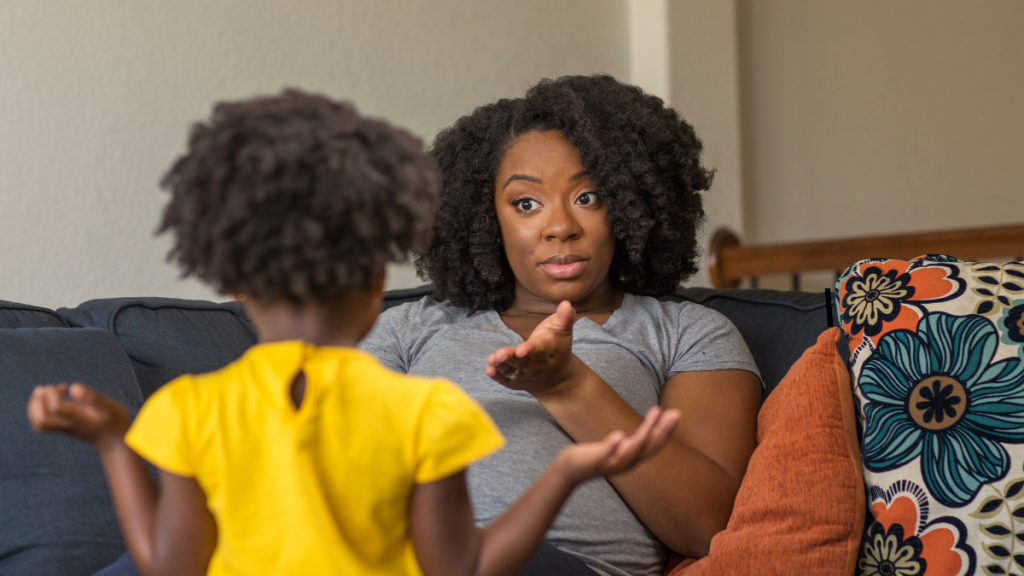
The environment in which a child lives and learns can have a profound impact on their behavior. A nurturing, safe environment fosters respect, responsibility, and cooperation, while a toxic or unsafe environment can encourage rebellion, disrespect, and poor choices. For parents, this means creating a home environment where children feel valued, loved, and secure. For teachers, it’s essential to foster a classroom atmosphere that encourages collaboration, respect, and learning.
At home, parents can reduce negative influences by limiting exposure to inappropriate media and encouraging positive social interactions. In the classroom, teachers should create a culture of mutual respect, inclusivity, and support. Where children feel safe to express themselves and make mistakes. These environments not only promote better behavior but also create a sense of belonging and security, which is essential for children’s emotional growth.
4. Use Fair and Effective Discipline Methods
Discipline should always be constructive, not punitive. Harsh punishments often lead to resentment and rebellion, while fair consequences help children learn from their mistakes and understand the impact of their actions. Instead of resorting to physical punishment or harsh verbal reprimands, parents and teachers should opt for more positive disciplinary methods.
For example, time-outs, the loss of privileges, or assigning extra responsibilities (like extra chores or tasks) can help children reflect on their behavior without causing harm. These strategies not only teach accountability but also give children a chance to make amends and learn self-discipline in the process. It’s essential that consequences align with the behavior and are fair, ensuring that the child understands what they did wrong and how they can improve.
5. Be Mindful of Outside Influences
Children are constantly exposed to outside influences, and not all of them are positive. Whether it’s through peers, social media, or extended family members, children often pick up behaviors that contradict what they are taught at home or in school. Parents and teachers must be proactive in guiding children to recognize negative influences and make better choices.
In communal living situations, this can be especially challenging, as children might be influenced by neighbors or other adults who may not share the same values. It’s important to have open conversations with children about the people they interact with and help them understand the difference between right and wrong. By empowering children with the ability to make wise decisions, parents and teachers can ensure they are equipped to face external pressures confidently.
6. Keep an Eye on Playtime
Playtime is not only a chance for children to have fun; it’s also an opportunity to learn important social skills such as sharing, problem-solving, and communication. However, if playtime is left unsupervised, children might pick up negative habits such as name-calling, aggression, or exclusionary behaviors. Parents and teachers must monitor how children interact with their peers during playtime and step in when necessary.
Encouraging respectful play, teamwork, and positive communication can help children develop essential social skills. Moreover, engaging in educational games and activities during playtime can also enhance learning while promoting discipline and cooperation.
7. Ensure Safe School Transportation
Safety should always be a top priority, particularly when it comes to children’s school transportation. Whether they are walking, taking the bus, or being driven by a relative, it’s important to ensure that children are safe during their commutes. Parents should verify that their child’s transportation arrangements are secure and that the person responsible for taking them to school is trusted.
Additionally, schools should have clear policies regarding pick-up and drop-off procedures. Ensuring that only authorized individuals are allowed to take children home. These precautions not only reduce the risk of dangerous situations but also contribute to a safer, more disciplined environment.
8. Prioritize Family Bonding Over Unsupervised Travel
While some families may send children to visit relatives or friends, unsupervised travel can expose children to unfamiliar situations or even potential risks. Parents should prioritize spending quality time with their children during school breaks and avoid sending them off on solo trips, especially at a young age. Family bonding and togetherness provide stability, emotional security, and essential life lessons that children need as they grow.
Additionally, parents should be cautious about sending children to live with relatives in different regions or countries, as this can create emotional stress and a disconnect. Whenever possible, keeping the family unit intact and actively involved in the child’s upbringing will ensure that they receive the care and guidance they need.
Conclusion
Disciplining children requires consistency, patience, and active involvement from both parents and teachers. By modeling good behavior, setting clear rules, creating supportive environments, and using fair discipline methods, children can develop the self-control, responsibility, and respect they need to succeed in life. Discipline isn’t just about making kids follow rules—it’s about shaping them into responsible, respectful adults who will contribute positively to society.