Every year in Nigeria, without fail, the same heartbreaking headline resurfaces. Another young woman has died or has been left severely injured after an elective cosmetic procedure gone wrong. By the time social media picks up the story, the details follow a familiar pattern. A shady clinic, procedures advertised like clearance sales, and suspiciously cheap promotions that lure people in with the promise of quick results.
Cosmetic surgery is a personal choice. Many people seek it to feel more confident and more comfortable with their own image. In the last decade, the demand has surged in Nigeria. Unfortunately, the rise in demand has been followed by an increase in injuries, disfigurements, and preventable deaths. Many of these cases are linked to unlicensed practitioners performing procedures they are not trained or authorized to carry out.
What many people fail to understand is that Nigeria does have strict enforcement of boundaries and laws that govern medical and aesthetic practice. The gap between regulation and enforcement has created a dangerous environment where unqualified individuals can operate without restrictions.
This article examines what Nigerian law actually says about cosmetic and aesthetic procedures, the complications that occur when untrained hands perform high risk interventions, and the red flags everyone should watch for when considering any cosmetic treatment. This is not a call against cosmetic surgery. It is a call for safety, transparency, and informed consent.
The Rapidly Expanding Demand and Social Context
The rising demand for cosmetic procedures in Nigeria is shaped by the digital world we live in. Instagram, TikTok, and celebrity culture have quietly blurred the line between what is natural, what is edited, and what is surgically enhanced. It’s easy to forget what a normal body actually looks like when social media is full of curated images.
At the same time, cheap “package deals” from untrained practitioners have made risky procedures more accessible. These interventions are marketed as luxury experiences, complete with edited photos and made-up testimonials that hide the real dangers. Weak enforcement allows spas, salons, and backroom operators to offer treatments that should only take place in licensed medical facilities. And because consultations with qualified plastic surgeons can be expensive, many people turn to these cheaper, unsafe alternatives without fully understanding the consequences.
Misleading information and secrecy add to the problem. Many women hide their plans from family out of fear of judgment. This silence often leaves them without guidance or support, making them more vulnerable to poor choices.
The decision to undergo cosmetic surgery should never be made on impulse. It must be carefully considered, with a full understanding of the risks, benefits, and long-term effects. Go ahead only when the potential benefits clearly outweigh the dangers.

Complications of Unsafe Procedures
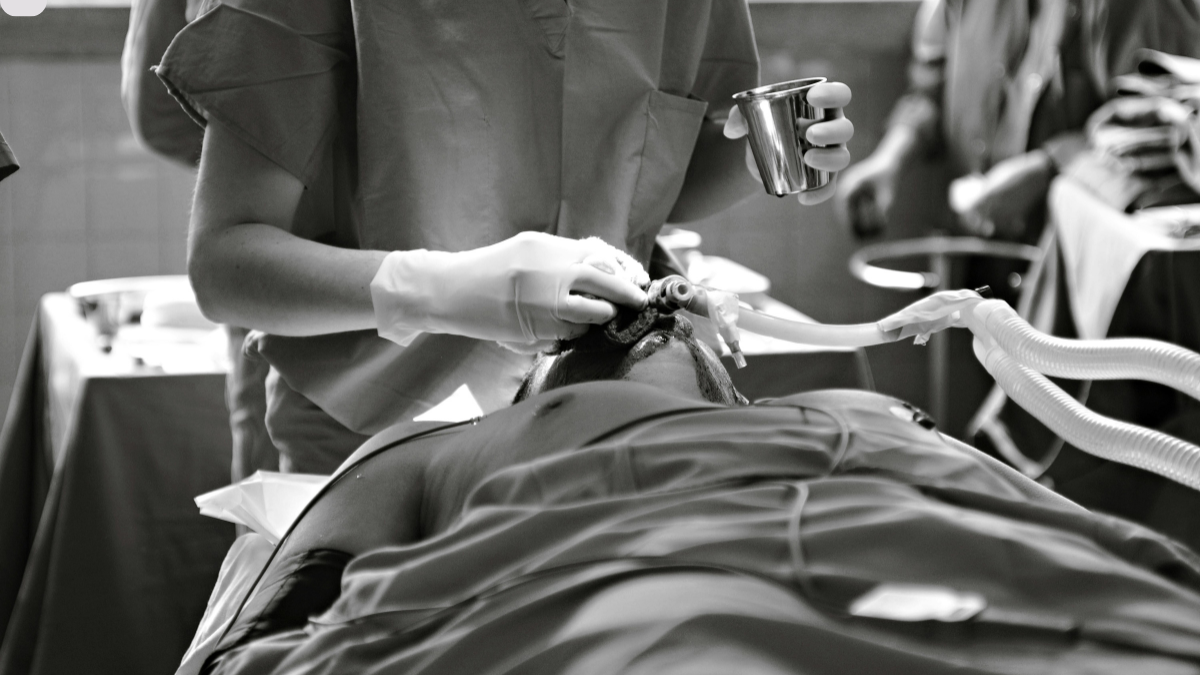
Surgical interventions of any kind require an in-depth knowledge of human anatomy: which planes to cut through, which vessels and nerves to avoid. They demand strict adherence to medical-grade aseptic procedures, and a licensed anesthesiologist must be present to safely induce and maintain anesthesia during the operation and manage pain afterwards. Preoperative and postoperative antibiotics are often essential to prevent infection. These are the basic standards unlicensed practitioners lack and their absence is what drives complications.
Surgical Complications:
- Severe bleeding, accidental organ perforation, or injury to major blood vessels or the bowel can occur in an instant.
- Fat embolism, particularly in Brazilian Butt Lifts, is the leading cause of cosmetic-surgery-related deaths worldwide. It is when fat globules are injected into and block vessels.
- Infected liposuction sites can turn into sepsis, sometimes resulting in amputations or death.
- Poor technique or contaminated instruments can cause necrosis, leaving skin and fat to die, disfigure, and scar.
Anesthesia Complications:
- Wrong doses of sedatives can trigger cardiac arrest.
- Failure to maintain proper breathing for a patient under general anesthesia can cause death.
- Unmonitored vital signs can hide drops in oxygen levels or irregular heartbeats until it’s too late.
Long-Term Damage:
- Chronic pain, permanent nerve damage, and lifelong disfigurement are common outcomes.
- Implants or fillers may be rejected, migrate, or contract, distorting the body and requiring corrective surgery.
- The psychological effect: depression, trauma, and social anxiety often follow procedures gone wrong.
Each of these risks is preventable, but only when procedures are performed by trained, licensed professionals in controlled medical settings.
The Legal Framework
In Nigeria, the Medical and Dental Council of Nigeria (MDCN) regulates who is allowed to practise medicine and surgery, including cosmetic surgery. By law, only a person who holds an MBBS degree and is fully licensed by the MDCN may perform medical or surgical procedures.
While the MBBS is the minimum qualification, cosmetic surgeries are better carried out by doctors who have undergone additional specialist training in plastic or reconstructive surgery.
On the other hand, the cosmetic products and basic aesthetic services offered in spas are regulated by NAFDAC, which oversees the safety of non-medical cosmetic products used on the skin.
For the purpose of clarity, here are some procedures that require a licensed doctor:
- Liposuction
- Brazilian Butt Lift (BBL) and other fat-transfer procedures
- Tummy tuck (abdominoplasty)
- Breast augmentation, reduction, or lift
- Rhinoplasty
- Facelift, neck lift, and blepharoplasty
- Deep dermal fillers / implant insertion
- Any procedure requiring general anesthesia
- Hair transplantation
- Botox and other injectable fillers
- Medical-grade chemical peels
- IV infusions, glutathione injections, and similar drips
Some procedures that can be safely performed by spas and aestheticians:
- Basic facials
- Mild chemical peels
- Full-body scrubs and exfoliation
- Low-level LED light therapy
- Dermaplaning
- Cosmetic teeth whitening
- Non-medical laser hair removal (low-energy devices)
- Body cavitation and low-intensity radiofrequency tightening
- Microneedling without drugs or injectables
A simple rule of thumb: If it requires cuts, injections, deep tissue, anesthesia, or drugs, it belongs in a doctor’s office.
If you’re considering a more specialised procedure not listed here, take time to do proper research as this list is not nearly exhaustive.
Red Flags to Look out for
To avoid being victims of shady clinics and retrospective regret, here are some things you must look out for:
- Surgery offered in a spa, hotel, apartment, or “beauty studio”
- No MDCN registration number visible
- No anesthesiologist
- Cash-only payment
- “Urgent promo” prices
- No pre-op blood work or medical evaluation
- Refusal to show real before/after photos of their patients
- The provider calls themselves a “cosmetic surgeon” but has no MBBS or MDCN license.
- No CPR equipment, oxygen, defibrillator, or emergency plan
- Promise impossible results “zero pain,” “zero downtime,” “zero risk”
- No clear consent forms or paperwork before the procedure
- No discussion of risks and complications
- Unsanitary facilities
- Hidden address/location
How to Verify Providers & Confirm Qualifications
For Doctors:
- MDCN Registration: Use the Medical and Dental Council of Nigeria’s online portal to verify that the provider holds a valid MBBS and is licensed to practice.
- Specialty Training: Ask whether the doctor has additional training in plastic surgery, dermatology, or aesthetic medicine.
- Anesthesia Provider: Only a trained anesthesiologist should handle this.
- Informed Consent: Ensure you’re given a written consent form and a clear explanation of risks and possible complications.
- Product Verification: Injectable products, fillers, threads, or implants must be NAFDAC-registered
For Spas & Aestheticians:
- CAC Registration: It should be formally registered as a business with the Corporate Affairs Commission.
- Government Health Permit: Local government health or sanitation permits confirm the spa meets basic hygiene and safety standards.
- NAFDAC Approval for Products: Any skincare products, peels, serums, or whitening agents used should be NAFDAC-approved.
- SON Regulation for Devices: Light-based, radiofrequency, cavitation, or other cosmetic devices should be certified by the Standards Organisation of Nigeria (SON).
- Training Certificates: Aestheticians should be able to show verifiable certificates from reputable beauty or aesthetic training programs.
CONCLUSION
Cosmetic surgery and aesthetic treatments exist to help people look, feel, and function better, but they are not a substitute for healthy habits or long-term wellness. No matter the procedure, safety should always come first. Take time to research your provider, understand the risks, and attend a proper consultation before making any decisions. Good decisions made slowly and deliberately will always serve better than rushed choices.