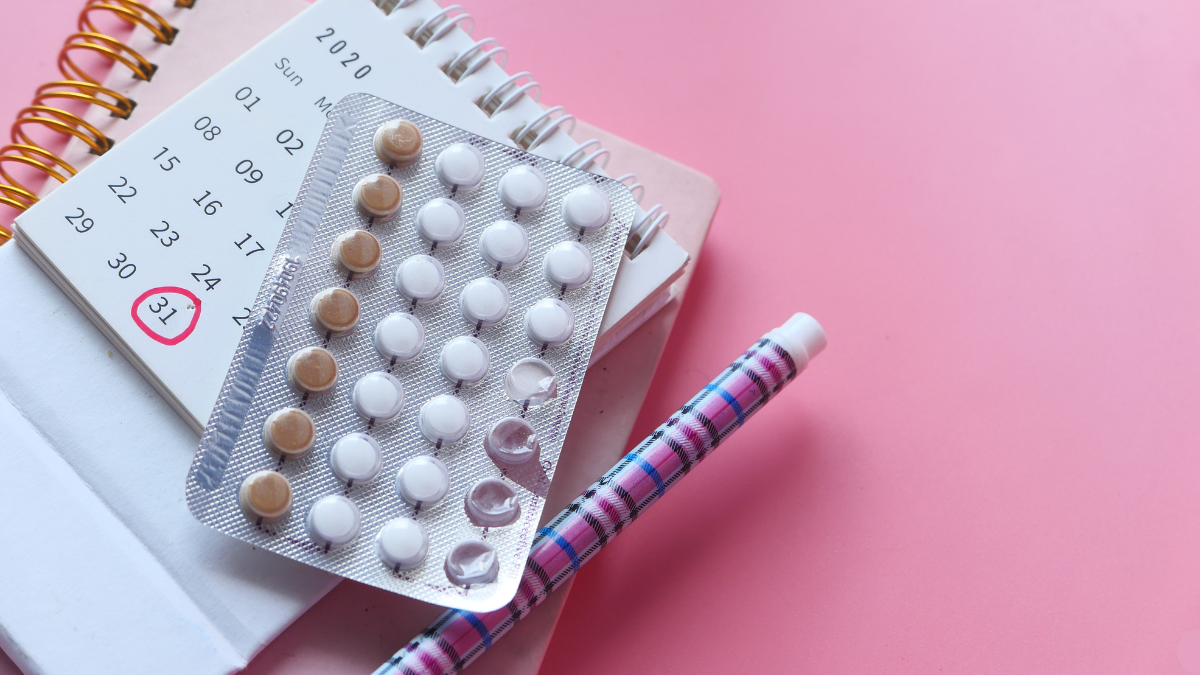
Ngozi sat on the edge of her bed, staring at the tiny pack of pills she had just bought from the pharmacy. She had so many questions.
“Would the pills make me gain weight? What would happen if I forgot to take a pill? Do they cause infertility? Amina even said that pills ‘pile up in the body.’”
Ngozi was confused, but like many Nigerian women, she wasn’t sure where to find answers.
This article changes that. Here, you’ll find honest, practical answers to the most important and frequently asked questions on birth control pills, including how they work, the side effects, and what happens if you miss a day. Whether you’re a first-time user, like Ngozi, or have been on the pill for years, this FAQ is for you.
Getting Started
That evening, Ngozi sat with her older sister, Ada, who had used the pill for years. “First things first,” Ada said, “do you even know what’s inside these pills and how they work?” Ngozi was silent. She didn’t.
What are birth control pills, and how do they work?
Birth control pills are hormonal contraceptives taken daily to prevent pregnancy. They work by stopping the ovaries from releasing eggs, making the cervical mucus thicker to block sperm, or thinning the uterine lining to prevent implantation.
Types of birth control pills
The first category is Progestin-Only Pills (the “mini-pill”), which is okay if you’re breastfeeding or you have a history of blood clots. The other type is Combination Pills (containing estrogen and progestin); they’re the most common and can help control acne or bloating.
Which pills are best for birth control?
There isn’t a “one-size-fits-all” answer. The best pill depends on your health, age, lifestyle, and needs. So even if a friend recommends one that worked for them, it’s safer to see a doctor or pharmacist who can guide you based on your medical history.
Is Postinor-2 a birth control pill?
No! Postinor-2 is an emergency contraceptive because it has a much higher hormone dose for one-time use. Consult with a healthcare provider first, especially if you have pre-existing health conditions or are unsure.
Usage & Effectiveness
After starting her first pack. Ngozi became worried.
How effective are birth control pills?
Pills are 99% effective if taken exactly as prescribed, at the same time, without skipping. But we’re human, and likely to forget, so the rate drops to 91%. It’s a matter of consistency.
When is the best time to take a birth control pill?
Just pick a time that you can remember consistently and stick to it. You can even set a daily alarm. Many women prefer evenings because the side effects are mild.
How soon after I start the pill does it actually begin to work, and how do I know?
If you start a combination pill within the first five days of your period, you’re protected immediately. If not, it takes seven days (so you should use a backup contraceptive like condoms).
Meanwhile, progestin-only pills are effective after 2 days (use backup for those two days). You know it’s working if you experience expected cycle changes (regular periods on combination pills, irregular/absent on mini-pills).
Who cannot take contraceptive pills?
Generally, combined oral contraceptives aren’t the best option for women over 35 who smoke, have diabetes, sickle cell disease, a history of blood clots, stroke, certain heart diseases, uncontrolled high blood pressure, migraines with aura, certain liver diseases, or specific cancers.
On the other hand, progestin-only pills have fewer contraindications but still require medical consultation, especially with conditions like lupus or breast cancer. Likewise, doctors recommend progestin-only pills during breastfeeding, especially in the first six months.
What to avoid while on birth control pills?
Medical research shows that pills don’t work well with meds such as antibiotics (e.g, rifampin), certain anti-HIV drugs (e.g, darunavir, efavirenz, ritonavir/lopinavir, and nevirapine), anti-fungal medications (e.g, griseofulvin and ketoconazole), anti-seizure drugs (e.g, carbamazepine, felbamate, oxcarbazepine, phenobarbital, phenytoin, primidone, and topiramate), and herbal remedies (e.g., St. John’s Wort, saw palmetto, alfalfa, garlic pills, and flaxseed).
You should also avoid smoking (especially when you’re over 35), grapefruit juice (it can increase hormone levels), and alcohol (heavy drinking can lead to missed pills or vomiting). Also, energy drinks don’t directly reduce the effectiveness of pills. Still, their high caffeine content can cause other health issues or worsen anxiety.
What should she do when I forget to take my pill, and I’m sexually active?
Your immediate action depends on the type of pill and the number of days you missed taking it.
- If you miss one combination pill, take it when you remember, even if it means taking two pills in one day
- If you miss two or more, take only the most recently missed pill and continue the pack. But you must use backup contraception or avoid sex for the next 7 days. If unprotected sex occurred in the past 5 days, consider emergency contraception
- If you miss a progestin-only pill by more than 3 hours, take it when you remember. Use backup contraception for the next 2 days and consider emergency contraception if there’s unprotected sex
In any scenario where there’s a risk of pregnancy due to missed pills, consider using emergency contraception (EC); it works for about 72 hours after unprotected sex.
Health Risks & Side Effects
By her third month on the pill, Ngozi felt more comfortable. But she became anxious when her friend posted, “Too much birth control pills make women infertile!!!”
What are the side effects of birth control pills?
Like any medication, birth control pills come with potential side effects, which are often mild and temporary depending on how fast your body adjusts. The common ones are spotting or bleeding between periods, nausea, headaches, breast tenderness, bloating, and mood changes. However, there are more serious, but rare, side effects such as increased risk of blood clots, stroke, heart attack, and cancer.
Do birth control pills cause weight gain or cancer?
Weight gain while on pills is a persistent myth. Some women might experience a slight increase in weight, especially in the first few months, but this is often due to fluid retention.
Meanwhile, birth control pills have a complex relationship with cancer risk; they lower the risks of ovarian, endometrial, and colorectal cancer, but they also increase the risk of breast and cervical cancer.
Can birth control pills cause infertility?
The short answer is no. While the pill works by temporarily preventing pregnancy, your fertility returns to its baseline level within a few months after discontinuing the medication. Studies show that 83% of women conceive within 12 months of stopping birth control. In fact, for some women, the pill can even be protective, by managing conditions like endometriosis or polycystic ovary syndrome (PCOS) that could otherwise impact fertility.
Do birth control pills affect mood, depression, mental health, or sex drive?
Hormones influence your mood and mental health, and pills contain hormones; however, the effects vary for each person. Some women may experience mood swings, irritability, anxiety, or even depression symptoms. In contrast, others say the pill improves their mood by alleviating premenstrual syndrome (PMS) or premenstrual dysphoric disorder (PMDD) symptoms.
Also, birth control pills, particularly those containing estrogen, can increase blood pressure in a small percentage of women (around 5%). For sex drive (libido), libido may increase in women when pregnancy doesn’t bother them. Likewise, lower testosterone levels or psychological factors due to side effects may reduce libido.
Stopping & Switching

After almost a year, Ngozi and her husband started discussing children. Suddenly, she had a new wave of questions: Would the pill delay her chances of conceiving? Could stopping cause problems?
How long can I be on the birth control pills?
There’s no time limit on how long you can safely take birth control pills. You can use them for as long as you need contraception, until you decide to switch to another method, try for a pregnancy, or after menopause. Taking a “break” from the pill is a common misconception without medical evidence. However, as you age, or if new health conditions arise (like high blood pressure), you may need to switch to a different type of pill or an alternative contraceptive method.
Can I get pregnant on birth control?
Yes, although birth control pills are highly effective, a woman can still get pregnant while on them. No method of contraception (short of abstinence) is 100% foolproof.
If you get pregnant on the pill, the signs can mimic common birth control side effects, or even regular premenstrual syndrome (PMS). For example, a missed period, nausea, tender breasts, and fatigue. Take a test to be sure; if it’s positive, stop taking the pill and contact your doctor.
What are the signs that I should stop the pill and talk to my doctor immediately?
When taking birth control pills, certain warning signs indicate serious complications and require immediate medical attention. These symptoms include blood clots, chest pain or shortness of breath, stroke, leg pain or swelling, severe headaches, vision problems, intense abdominal pain, yellowing of the skin or eyes (jaundice), depression or mood changes. Although these severe side effects are rare, it is essential to learn to recognize them in yourself and others.
Is it true that birth control pills can “pile up” in my body?
No. Your body processes and eliminates the hormones in the pill on a daily basis. When you stop taking the drug, the hormones clear from your system within a few days to a week.
Parting Words
Birth control pills are still one of the most reliable and widely used contraceptive methods, but every woman’s body reacts differently. What worked for your friend may not work for you.
That’s why we put this article together so you can educate yourself more, know how your body responds, and make better choices on your health. But, if you have more concerns about side effects, fertility, or whatever, don’t hesitate to speak with a qualified doctor or healthcare provider.
Health is wealth.