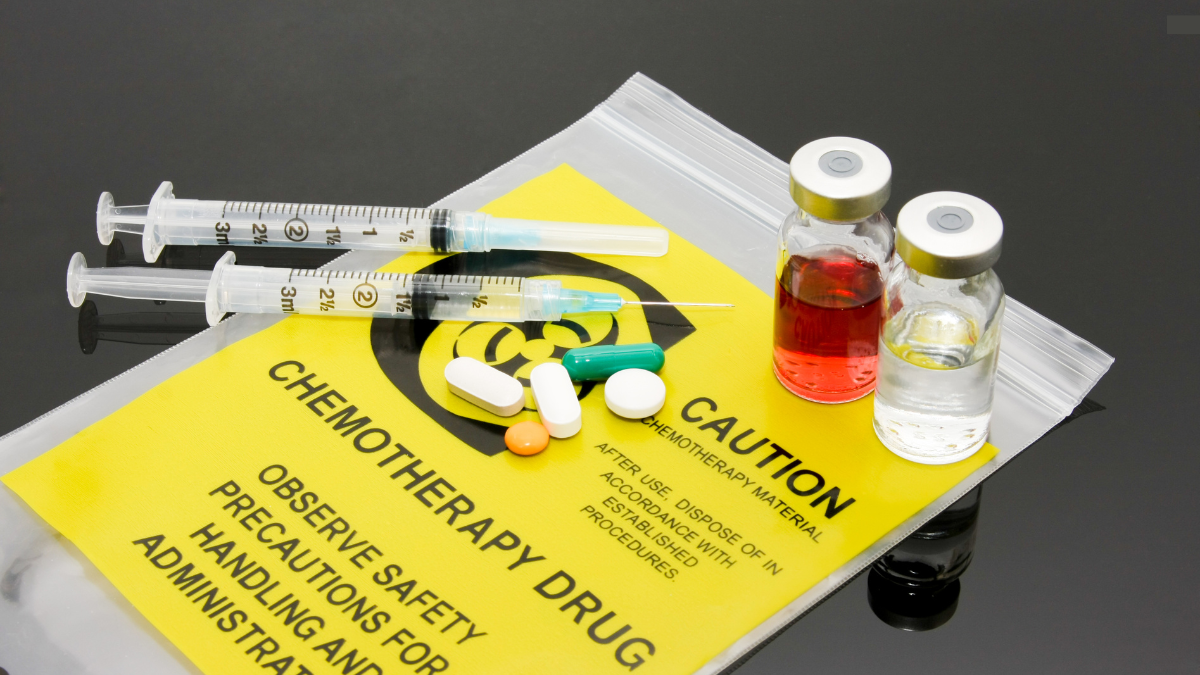
Cancer remains one of man’s biggest medical worries. 10 million people die from cancer yearly, placing it among the top 5 leading causes of death globally. 1 in 5 people will develop cancer in their lifetime. Now, let’s bring it home; In Nigeria, there are about 127,763 new cases of cancer yearly and over 79,542 deaths. These numbers are scary. There are several treatments and recent breakthroughs in the fight against cancer. Chemotherapy, which involves the use of drugs to kill or stop the growth of cancer, is the most widely used treatment. This article will enlighten you on everything you need to know about Chemotherapy.
Meaning of Cancer
You probably have an idea about what Cancer is, having likely heard about it on the radio, from a friend, or looked it up online. Medically, cancer is a group of diseases that can affect virtually any part of your body. It is characterized by rapid, uncontrollable growth of abnormal cells, which often spread to surrounding tissues (a term known as metastasis). These abnormal cells damage your tissues by interfering with normal functions of organs (Liver, Lungs, etc), reducing the quantity of nutrients getting to normal cells, damaging nerves and vessels, and weakening the immune system.

Types of Cancer
There are numerous types of cancer that can affect any part of the human body. They are typically categorized according to part of the body they originate. Viz;
● Carcinoma: This is the most common type of cancer. They originate from cells that line the internal and external surface of the body, such as the skin and organs.
Examples of carcinomas include breast cancer, lung cancer, prostate cancer and colon cancer.
● Sarcoma: These cancers originate from bone, cartilage, fat, muscle and blood vessels.
● Leukemia: These cancers originate from the tissues that form blood particularly the bone marrow.
● Melanoma: Originate from the cells that determine the colour of your skin, eyes, and hair.
● Germ cell tumors: Originate from reproductive cells. Examples include testicular cancer and ovarian germ cell tumors.
● Brain and spinal cord cancers: Originate from brain and spinal cord tissues.
One major problem about cancer is that it can start from one site and spread to other places, worsening the whole situation.
Causes of Cancer
Unfortunately, there is no certain cause of cancer. The only thing we are sure of are things that can increase the risk of coming down with cancer, what is called risk factors. These risk factors include:
● Tobacco: It has been linked to lung cancer, mouth cancer, throat cancer, etc.
● Alcohol: Associated with mouth cancer, throat cancer, gastric cancer, liver cancer.
● Ultraviolet exposure: Linked with skin cancers.
● Exposure to Ionization radiation: Associated with cancer of blood and bone marrow, breast cancer, thyroid cancer etc.
● Viral infections: Getting infected by certain viruses increases the risk of coming down with certain cancer. Human Papillomavirus (HPV) increases the risk of cervical and penile cancers; HIV is linked with Kaposi’s sarcoma, Lymphomas and anal cancer;
Hepatitis B can cause liver cancer.
These risks, combined with late diagnosis in many cases, contribute to cancer’s high mortality rate.
Symptoms of Cancer
Someone with cancer can have varied symptoms, depending on the type of cancer and the tissue/organ affected. Generally, a cancer patient would notice:
● Unintentional/unexplained weight loss
● Swelling
● Loss of appetite
● Fatigue or weakness
● Pain
● Persistent fever/infection
● Persistent cough
● Change in bowel/bladder habit
● Night sweats
Treatment of Cancer
There are several types of cancer treatments: surgery, radiotherapy, hormone therapy, immunotherapy, bone marrow/ stem cell transplant, targeted therapy, and chemotherapy. Some people have only one treatment, but most people have to combine a couple of treatments.
Chemotherapy
Chemotherapy as a cancer treatment simply means the use of aggressive drugs to kill cancer cells. It can be used alone or in combination with other treatments. Cancer chemotherapy has been around for a while now, beginning in the 1940s with the advent of mechlorethamine, the first chemotherapeutic drug.
How Chemotherapy Works
Basically, chemotherapy prevents cancer cells from multiplying by destroying the control center responsible for cell division or blocking the enzymes responsible for making these control centers. The control centers are the DNA/RNA present in the cancer cells.
Chemotherapy can be administered through the veins, orally, by injection, or directly to the fluid surrounding the brain and spinal cord.
The success of Chemotherapy in treating cancer depends on the type of cancer, the stage of cancer and the overall health of patients. Cancer caught early in a patient without other diseases can often be cured.
Based on facts and statistics, chemotherapy has been a breakthrough in the treatment of cancer, giving hope to patients, prolonging life and curing some cancers, particularly when caught early.
Unfortunately, chemotherapy also affects healthy cells, causing side effects, some of which can be very scary.
Side Effects of Chemotherapy
A patient receiving chemotherapy would experience varied symptoms categorized into immediate, short term and long term side effects. Immediate side effects: Occurs during treatment or immediately after chemotherapy. It includes:
● Nausea and Vomiting
● Fatigue
● Loss of appetite
● Low blood pressure
● Low heart rate/pulse rate
● Dizziness/Fainting
● Skin rash
● Facial/Throat swelling
● Shortness of breath
Short term: Occurs within days to weeks.
● Hair loss
● Mouth sores
● Low blood cells
● Infections
● Bleeding
● Memory problems (chemo brain)
Long terms: Takes months to years to develop.
● Infertility
● Heart damage
● Lung problems
● Kidney and liver dysfunction
● Other cancers (secondary cancers arising from chemotherapy)
Coping with side effects:
The majority of the side effects associated with chemotherapy are unavoidable. However, the following can reduce the extent of damage caused by these side effects:
- Medical support: This include proper monitoring by healthcare practitioners and
medications such as pain relievers, appetite stimulants and anti-nausea - Nutritional support: Small frequent balanced diets.
- Adequate rest
- Emotional support from friends and family members, joining support groups, and listening
to stories from survivors.
Way Forward
Recent research and breakthroughs in cancer treatment provide a possibility for safer and more effective treatment — one that works better and reduces side effects. Most of these treatment options are still a work in progress, but have shown great promise. This includes:
● Immunotherapy: This is a type of cancer treatment that stimulates or boosts the body’s defense system to recognize and fight cancer cells.
● Targeted therapy: This cancer treatment targets specific proteins that control how cancer cells grow, divide, and spread.
● Reprogramming tumor cells: A group of researchers in South Korea recently used technology to reprogram the cells of colon cancer to act like normal cells.
Cancer may remain one of humanity’s greatest medical challenges, but science is advancing. With each breakthrough, we get closer to treatments that save lives without costing so much in sufferign