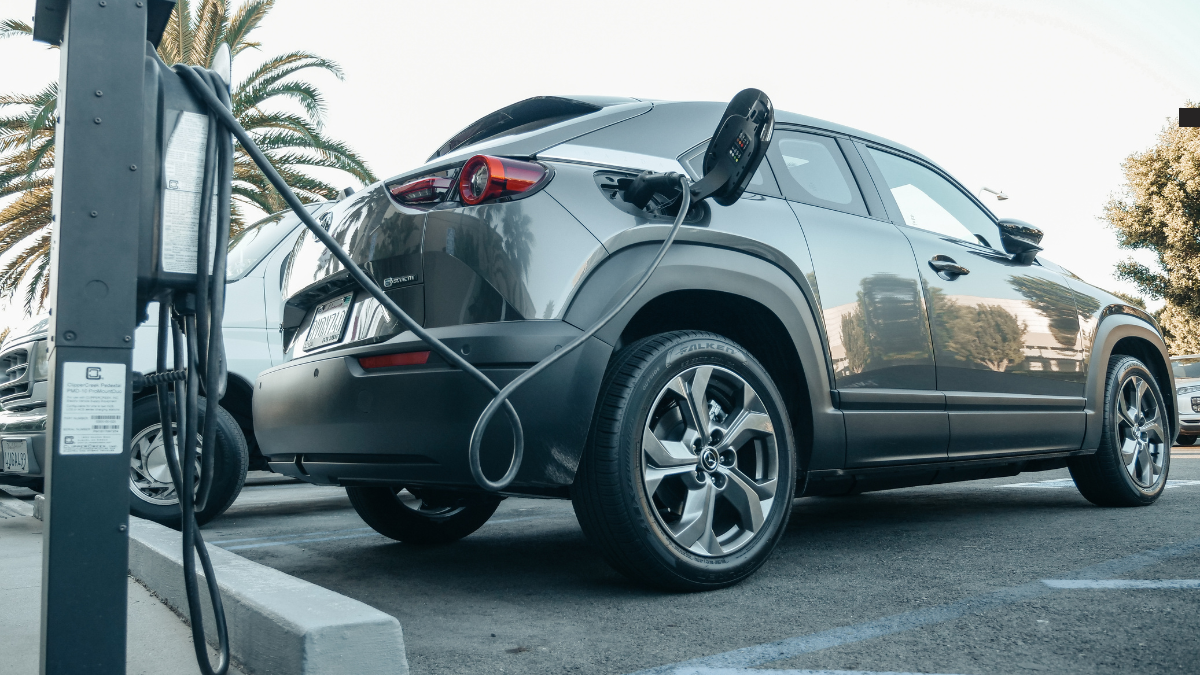
Recently, the global conversation around transportation has shifted towards sustainability, cleaner energy and reducing carbon footprints. Electric Vehicles (EVs) have been introduced as a great solution, gradually replacing petroleum powered and Compressed Natural Gas (CNG) vehicles in many parts of the world. While several countries are investing heavily in EV
infrastructure, Nigeria is still taking baby steps in this direction.
However, for a nation with a rapidly growing population, a constant decline in air quality, and an urgent need for modern technology adoption, the adoption of EVs cannot afford to be slow. Nigerians need to move quickly or risk falling far behind in the global transportation race.
The Global Electric Vehicles Momentum
Across the globe, countries like Norway, China and the United States have positioned themselves as leaders in EV adoption. Norway, for instance, has set an ambitious target to end the sale of petrol and diesel vehicles entirely by 2025.
China leads the world in EV production which makes up over half of global EV sales in 2023. Thanks to strong government policies, public awareness and a robust charging infrastructure. These nations understand that EVs are not just about replacing traditional vehicles but about revolutionizing mobility, protecting the environment and staying competitive in the global economy.
Where Nigeria Stands
In Nigeria, EV topic is still in its early stages. Although a few startups and automotive companies are introducing electric cars and bikes to the market, the infrastructure to support them is almost nonexistent. Charging stations are limited, public awareness is low and the high cost of EVs discourages adoption. The majority of vehicles on Nigerian roads are still petroleum or diesel powered, while some have recently switched to CNG due to fuel subsidy removal and rising petrol costs.
Yet, relying on fossil fuel-based transportation has several drawbacks: fluctuating fuel prices, environmental pollution, and dependency on imported fuel. Nigeria’s growing urban traffic and poor air quality make the need for a cleaner alternative urgent.
Why Nigerians Should Move Faster
● Reducing Environmental Impact
Nigeria is generally battling poor air quality due to vehicle emissions. The World Health Organization’s research has linked such pollution to increased respiratory illnesses and other health risks. EVs, which emit no tailpipe pollutants, could significantly cut down on urban air pollution if widely adopted.
● Long-Term Cost Savings
While EVs seem expensive, their running costs are significantly lower. Electricity is cheaper than petrol or diesel in the long run, and EVs have fewer moving parts, which means lower maintenance costs. For example, EV owners avoid expenses like oil changes, fuel filters, and exhaust system repairs.
● Energy Independence
Nigeria has abundant renewable energy potential, which ranges from solar to wind. EV adoption could reduce dependency on imported refined fuel, which helps keep more money within the economy while encouraging local energy solutions.
● Keeping Up with Global Technology
As more countries set deadlines to phase out fossil fuel vehicles, automotive technology will continue to evolve in favor of EVs. If Nigeria fails to catch up, it risks becoming a dumping ground for outdated, high-emission vehicles, while missing out on green jobs and tech investments.
● Economic Diversification
The EV value chain offers new opportunities for Nigerian entrepreneurs. These include battery assembly, maintenance services, and renewable energy charging stations. Early adoption could put Nigeria on the map for clean energy investment in Africa.
Barriers to Electric Vehicles Adoption in Nigeria
Despite the benefits, several challenges are slowing EV growth:
● High Purchase Costs: Many EV models are priced far beyond the reach of average Nigerians.
● Lack of Infrastructure: Public charging stations are almost nonexistent, especially in smaller cities.
● Power Supply Issues: Nigeria’s unreliable electricity supply raises concerns about the practicality of charging EVs daily.
● Public Perception: Many people view EVs as experimental or unfit for Nigerian roads, especially because of flooding, poor road maintenance, and extreme heat.
Possible Solutions to Speed Up Adoption
Government Incentives
Policies such as tax exemptions, reduced import duties on EVs and subsidies for local assembly should be implemented to make EVs more affordable.
Investment in Charging Infrastructure
Public private partnerships could fund charging stations in strategic locations like highways, city centers, and residential estates.
Renewable Energy Integration
Pairing EV charging stations with solar power systems could help Nigeria bypass electricity reliability issues while making charging cheaper and more sustainable.
Public Awareness Campaigns
Educating the public about benefits of transitioning to EVs, cost savings and environmental impact is crucial to changing perceptions.
Local Manufacturing and Assembly
Encouraging local production of EV components could reduce costs, create jobs and adapt vehicle designs to Nigerian road conditions.
Learning from Other Countries
Countries like Kenya and South Africa are already making bold moves toward EV adoption. Kenya has introduced electric buses for public transport, while South Africa has built several public charging stations and is exploring EV tax incentives. These nations prove that Africa can be part of the EV revolution without waiting for the rest of the world to lead the way.
Nigeria can take cues from such examples and focus on renewable energy-powered charging stations, public transport electrification, and encourage local entrepreneurs to explore EV-related businesses.
The Role of the Private Sector
Private companies can play a huge role in accelerating the EV transition. Ride hailing platforms could introduce EV fleets, logistics companies could electrify delivery vans and real estate developers could integrate charging stations into
new housing projects. Even smaller businesses can participate by offering EV repair services or selling charging equipment.
Conclusion
The shift from petroleum and CNG powered vehicles to electric ones is not a matter of if but when. The real question is whether Nigeria will be ready when the world fully embraces the change. Moving slowly means missing economic opportunities, worsening environmental problems and falling behind in global competitiveness.
For Nigeria, the EV revolution is not just about transportation, it is about health, sustainability, technology and economic growth. The sooner we embrace it, the better prepared we will be for the future. It is time for Nigeria to move faster, invest smarter and put cleaner, more efficient vehicles on our roads.