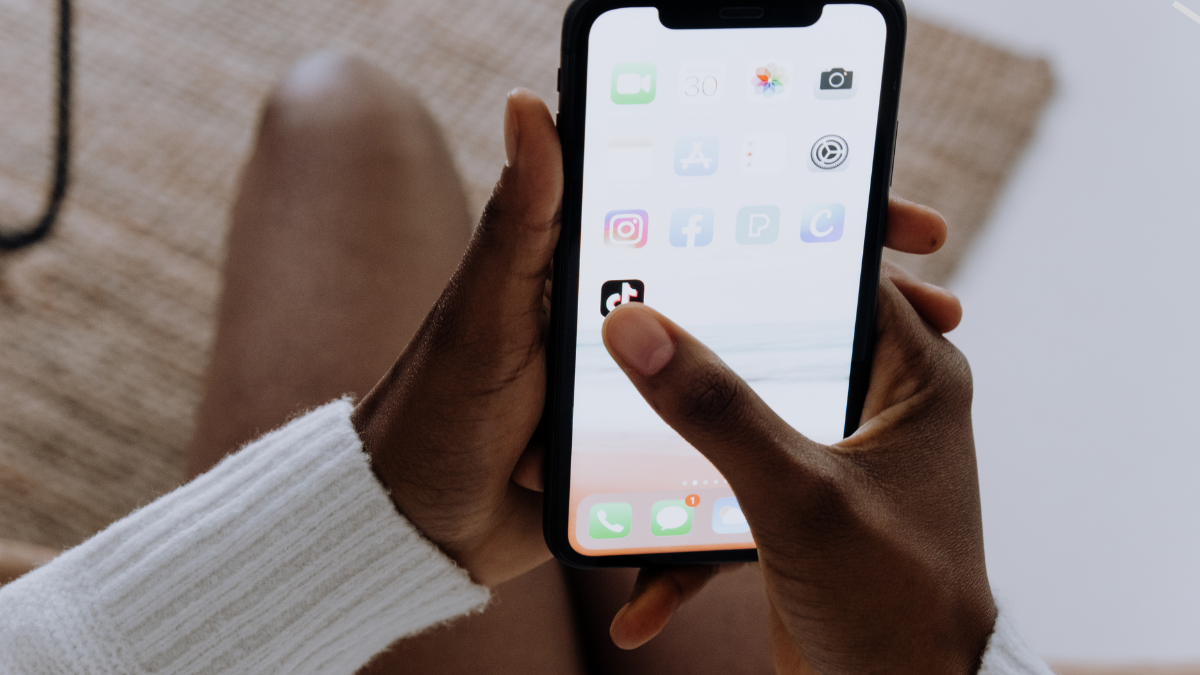
Back in the day, small business owners had to hustle hard just to be seen. They would save up for radio jingles, design and print flyers, or announce their hustle during church services, hoping someone would remember them by Monday. Visibility used to be expensive, and advertising was mostly a luxury for big brands. The Tiktok SMEs now push their businesses using short videos
Now, one short video made on a cracked smartphone can do what billboards couldn’t. A 15-second clip recorded in a noisy Lagos market or from a one-room shop in Kaduna can generate thousands of views, messages, and customer orders. TikTok isn’t just a trend anymore. It has quietly become one of the most powerful marketing tools for small businesses to grow.
This is the age where short videos create long-term growth, and those who understand this are already cashing out.
From Side Hustles to Main Hustles, All Thanks to TikTok
It usually starts with one video, one post that hits just right. Maybe it’s a vendor dancing while packaging a customer’s order, or a skincare seller showing a “before and after” transformation using a trending sound. What happens next is wild. Comments start rolling in. “Is this available in Owerri?”, “Do you deliver to Ghana?”, “I need this ASAP.”
Before they know it, their weekend side hustle becomes a daily grind. And not the frustrating kind, the kind that brings steady alerts. All powered by creativity, consistency, and TikTok’s algorithm.
Billboards can’t do that. TV ads can’t reach that fast. What many small business owners have realized is that attention, not location or even capital, is the new currency. And TikTok knows how to deliver it.
How Nigerian SMEs Are Making It Work
Most people think TikTok is only about dance challenges or comedy skits, but Nigerian SMEs are flipping the script. They’ve turned the app into a mini-shop, a customer service booth, and a storytelling platform all rolled into one.
Here’s how they’re pulling it off:
Showing Products in Real Life, Not Just on Display
Photos can be deceiving. But when a hair stylist takes you through an entire makeover, from the first touch of the comb to the final spray of setting mist, you know it’s legit. Viewers don’t just see the finished look, they witness the journey. And that makes all the difference.
The same goes for fashion vendors. Instead of hiring models, many ask real customers to try on outfits and record their reactions. You’ll hear them laugh, twirl, and sometimes even dance. It’s raw, relatable, and way more convincing than a polished ad.
Putting a Human Face to the Hustle
A lot of buyers these days want more than just a product. They want a sense of connection.
That’s why more Nigerian business owners are stepping in front of the camera, not for show, but to talk, like humans.
They film packing orders at midnight, crack jokes about delayed deliveries, or show how they rush through Lagos traffic just to meet a deadline. They share tiny wins, rough days, and everything in between. That kind of openness builds trust, and trust builds loyalty.
People don’t just follow them, they root for them.
Making Trends Work for Their Brand, Not the Other Way Around
Every week, there’s a new trend on TikTok. But instead of jumping on everything, smart SMEs choose the ones that make sense for their business. Maybe it’s a funny audio they use to highlight common customer questions, or a trending dance they adapt to showcase their latest product drop.
They’re not just trying to “go viral”. They’re using culture to stay visible, without losing their voice in the noise.
4. Selling Through Emotion, Not Pressure
If there’s one thing these business owners understand, it’s that people buy with their hearts first. So instead of just posting price tags, they tell stories.
Like the shoemaker who shares a clip of a teenage boy trying on his first custom kicks. Or the baker who captures a groom’s stunned expression when he sees the cake made just for him. These aren’t just sales, they’re moments that stick.
When people connect emotionally, they don’t just scroll past. They save. They share. They buy.
These are not corporate strategies pulled from a textbook. They’re grassroots, trial-and-error methods built by people who learned how to turn their hustle into a voice, and that voice into income.
The beauty? It works. Not because it’s perfect, but because it’s real.
Why It Works Better Than Traditional Ads
The beauty of TikTok is that it doesn’t care how many followers you have. If your content is good, it gets pushed. This means even a new business can go viral without spending a kobo on ads.
Short videos match how people now scroll. Fast, visual, sometimes funny, and always emotional. TikTok’s algorithm rewards that, especially when the content is consistent, relatable, and interesting.
Even more, TikTok allows sellers to build relationships in real time. You can reply to a customer’s comment with a video. You can stitch another creator’s video to showcase your version. It feels personal, not forced. And that’s why it works.
A simple “DM to order” or “Click link in bio” can turn a curious viewer into a paying customer instantly.
But Not Every Video Hits, And That’s Okay
Now let’s be honest. Not every post will trend. You can pour energy into a video, and it barely gets 100 views. Some videos get attention, but no orders. And yes, that can be discouraging.
Going viral is nice, but consistent growth is better. There’s also pressure to stay on camera, follow trends, respond to trolls, and post often. It’s a lot, and it’s not always easy.
But those who push through, who stay creative and true to their voice, eventually find their audience. Consistency beats luck every time.
No Studio, No Lights, Still Winning
The best thing about TikTok is how low the entry bar is. You don’t need ring lights or backdrops. Some of the biggest business pages are just raw videos recorded with shaky hands and zero editing.
Here’s what actually matters:
- Show your product clearly.
- Use trending sounds strategically.
- Post at least three times a week.
- Be real, don’t fake it.
Even a seller with five followers today can go viral tomorrow. TikTok rewards effort, originality, and honesty. It’s not about being polished, it’s about being relatable.
Why This Is Bigger Than Business
In Nigeria, youth unemployment is a major issue. Job opportunities are shrinking, but creativity is not. TikTok is giving young people a path to build something for themselves, even with little to no startup money.
It’s changing the way business is done. A tailor in Ilorin no longer needs a shop in Lekki to find high-paying clients. A thrift vendor in Aba can ship clothes to Canada because someone saw a video at the right time.
TikTok isn’t just helping SMEs survive, it’s helping them scale. And every one of those success stories adds energy back into the economy.
The best part? It’s creating visibility for small businesses that would have remained hidden without the internet. That kind of reach can’t be bought — it has to be earned, one video at a time.
Conclusion: One Video Can Change Everything
TikTok is more than an app. For many small business owners, it’s a platform of possibilities. It doesn’t matter where you live or what your background is. If you have a product, a story, and a phone, you can win.
The rules have changed. Marketing no longer happens in conference rooms. It happens in kitchens, on buses, and in tiny shops with cracked tiles and cardboard signs. It happens in moments that feel real, because they are.
So if you’re a business owner wondering where to start, stop overthinking. Start posting. Tell your story. Show your product. Join the conversation. Because in this digital economy, the hustle is visual, and in 15 seconds, everything can change.