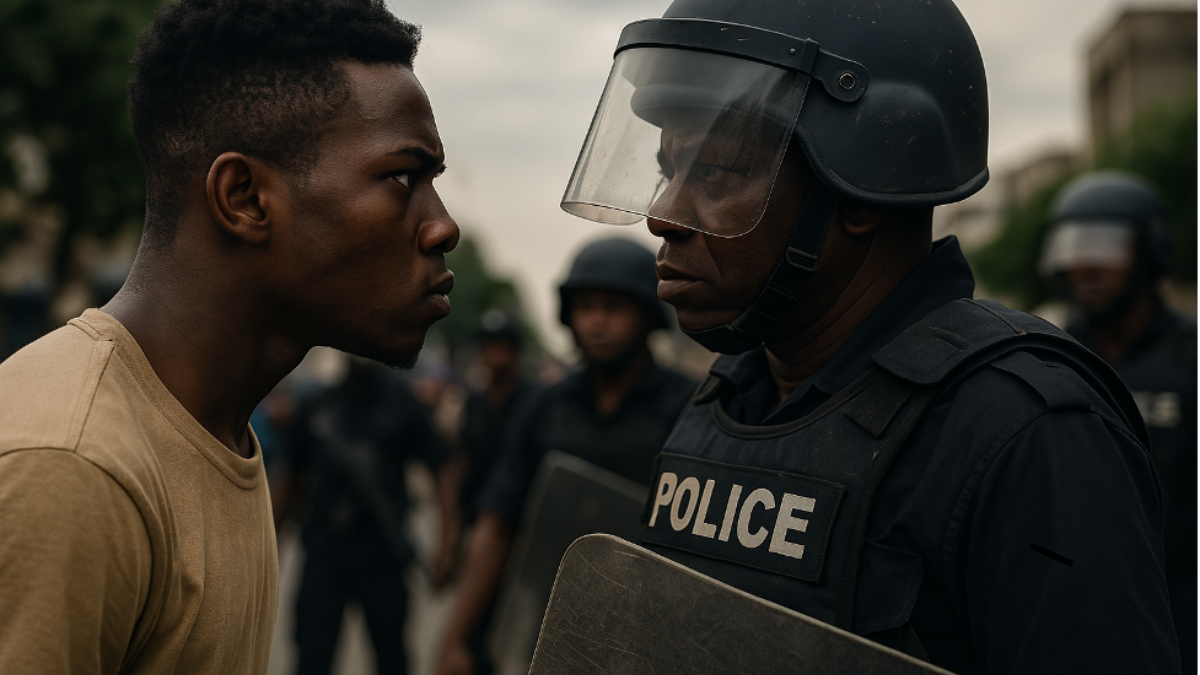
Nigeria’s youth face daily harassment, unlawful arrests, and brutality from law enforcement agencies meant to protect them. The #EndSARS movement exposed deep-seated abuses, yet injustice persists. From police violence to EFCC’s unsanctioned raids, young Nigerians live in fear. This article explores the growing trust deficit and the urgent need for accountability and reform.
Where Do We Begin?
In recent years, the relationship between law enforcement has become increasingly chaotic.
Innocent young men and women are met with harassment, brutality, and extortion by the same law enforcement officers who swore to serve and protect. Any form of resistance is met with violence and unlawful arrests. Some officers go as far as planting incriminating evidence on the innocent victims. From unwarranted arrests to extrajudicial killings, the justice system seems out of touch with the needs of the people it is meant to serve.
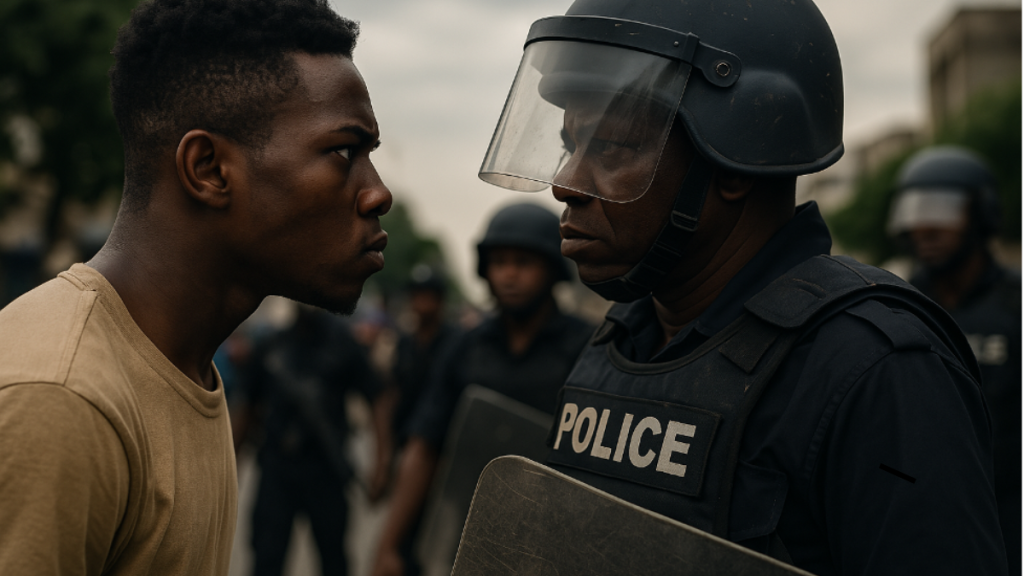
As these happenings continue, a dangerous distrust for the justice system and law enforcement has emerged. The Nigerian Youths have been pushed to the edge, resulting in various movements demanding change. An example of such movement is the #Endsars protests of 2020, which motivated thousands of Nigerians in a nationwide call for reform.
The #EndSARS Movement
The #Endsars movement resulted from the inhumane treatment of the police’s Special Anti-Robbery Squad.
The unit, initially formed to combat armed robbery and violent crime, gradually became infamous for its brutal tactics. Young people were targeted and profiled based on their appearance. While some were targeted because of their phones and cars, others were harassed for their hairstyles, fashion choices, and tattoos.
These characteristics were now grounds, dimmed fit by the SARS unit to illegally arrest and detain young people.
The breaking point was in October 2020 when youths took to the streets in unison to voice their discontent with the actions of the SARS unit. Protesters, most of whom were youths, voiced their frustrations about being systematically oppressed and victimized by the very institutions that should protect them.
The protests took on a national dimension, with large rallies in major cities, including Lagos, Abuja, and Port Harcourt. Yet, as the protests grew, the government responded with increasing violence. On October 20, 2020, a tragic event occurred at the Lekki Toll Gate in Lagos, where soldiers opened fire on unarmed protesters, killing and injuring many. The incident, now widely known as the Lekki Massacre, became a symbol of the government’s disregard for the rights and lives of young Nigerians.
EFCC: Unsanctioned Raids and Arrests
The Economic and Financial Crime Commission (EFCC) was formed to combat fraud and financial crimes, but in recent years, it has become known for notorious acts of targeting young people and tagging them as criminals. They carry out unsanctioned raids on student hostels, clubs, hotels, and businesses, arresting innocent people. Victims of these raids are arrested and detained without warrants or lack of evidence. Many of the victims report being assaulted, extorted, and detained without legal representation.
Properties worth substantial amounts are damaged in the process of these raids crumbling or halting businesses.
The EFCC also parades suspects online before any trial, which can damage their reputations. Meanwhile, some believe that powerful individuals accused of corruption do not face the same treatment. This has led to debates about fairness in law enforcement.
The agency’s failure to adhere to due process raises questions about its commitment to justice. The constitution clearly guarantees the right to fair trial and protection against unlawful persecution yet these basic rights are ignored. The fight against corruption should not be a war against young people!
Police Checkpoints: Searches and Extortion
Across the nation, police set up checkpoints on major roadways and stop cars and motorcycles to search them. While these searches are aimed at protecting the public, many young Nigerians find themselves victimized, profiled, and exploited.
For instance, many young people have claimed phones were searched at forced demand without cause. Policemen request access to WhatsApp, banking, and email apps, insisting it’s for their own good, stating that young people are criminals and scammers. If young people do not comply, they are beaten, illegally detained, and/or told it will get worse. Sadly, many of these incidents end in a cash payment to bribe them. Such actions have fostered a national distrust of police, and many cry for reform.
What’s The Way Forward?
For law enforcement to regain public trust, significant reforms must take place:
- Due Process Must Be Followed: arrests should be made after proper investigation rather than suspicion and gut feeling. Suspects must have access to legal representation, and their rights must be upheld while in detention.
- End Public Parading of Suspects: law enforcement must desist from the practice of parading suspects before trial. Suspects who have not been convicted must be considered innocent until proven guilty. Publicly displaying their images on social media or in the press damages reputations and violates human rights. Suspects deserve privacy and dignity until their cases are properly heard in court.
- Accountability for Misconduct: Law enforcement officers who engage in harassment, extortion, or abuse of power must be held accountable. There should be clear consequences for misconduct to prevent abuse. Establishing independent oversight bodies to investigate complaints and ensuring that victims receive justice will help restore public trust and ensure that officers act within the law.
- Balanced Law Enforcement: Law enforcement must apply the law equally to all, regardless of status or background. High-profile individuals involved in corruption should face the same scrutiny and consequences as ordinary citizens. A fair and balanced approach will ensure that law enforcement is seen as a neutral force for justice, not one that targets specific groups.
Until these changes are made, the youth will continue to feel like targets and law enforcement as oppressors rather than a force of justice.
Conclusion:
The rift between Nigerian youth and law enforcement is a reflection of a broken system that has long overlooked the rights of young people. The #EndSARS protests and the ongoing demands for EFCC reform are evidence of the deep dissatisfaction among youths who feel that their voices are not being heard.
For meaningful change to occur, law enforcement agencies must be held to the highest standards of accountability, and the justice system must be reformed to protect the rights of the people it serves. Only then can the trust deficit be healed, and Nigerian youth can begin to see a system that works for them rather than against them. Until that happens, the battle for justice will continue.